Pakistan Launches Major Military Operation Against Afghanistan Amid Escalating Border Conflict
In a significant escalation of regional tensions, Pakistan has launched a comprehensive military operation against Afghan Taliban forces following what it describes as "unprovoked aggression" along their shared border. The overnight strikes mark a dangerous new phase in the longstanding border disputes between the two neighboring nations.
Operation Ghazab lil-Haq: Pakistan's Military Response
Pakistan has officially initiated Operation Ghazab lil-Haq against the Afghan Taliban regime, with Information Minister Attaullah Tarar confirming that further counter-attacks are currently underway. The operation comes in response to what Pakistani authorities characterize as unprovoked cross-border attacks on Pakistani military positions.
Prime Minister Shehbaz Sharif's spokesperson on foreign media, Mosharraf Zaidi, provided detailed operational results, stating that 72 Afghan Taliban combatants had been killed and more than 120 injured in authorized counter-strikes. The military action reportedly destroyed 16 Taliban posts while capturing seven others, along with significant military infrastructure including a large ammunition depot, a battalion headquarters, and a sector headquarters.

Zaidi further claimed that Pakistani forces destroyed more than 36 tanks, artillery guns, and armored personnel carriers during the operation. However, state broadcaster PTV News reported slightly lower figures, indicating 58 "Afghan kharjis" had been killed and over 100 injured, while Radio Pakistan placed the death toll at 44.
Political Leadership Takes Firm Stance
Senior Pakistani political figures have united in their support for the military response. Defence Minister Khawaja Asif declared that the armed forces were delivering a "crushing response" to aggression from the Afghan Taliban and called for national political unity during this critical period.
PTI chairman Barrister Gohar Khan emphasized Pakistan's dual approach, stating that while the country would seek peace with neighbors "wherever possible," it would not hesitate to counter threats to national security. This sentiment reflects the delicate balance Pakistan maintains in its regional diplomacy.
Military Infrastructure Targeted on Both Sides
The confrontation has seen extensive damage to military installations along the volatile border region. According to security sources speaking to Geo TV, Pakistan Air Force jets carried out precision strikes that destroyed a major ammunition depot in Afghanistan's Nangarhar province.
The operation, officially named Operation Ghazab-lil-Haqq, resulted in the complete destruction of twelve Afghan border posts, with Pakistani forces capturing five additional posts and raising the national flag. Three Afghan battalions and a sector headquarters were also reportedly destroyed during the military engagement.
Conflicting Casualty Claims and Civilian Impact
Both nations have presented sharply differing accounts of casualties resulting from the border clashes. Information Minister Attaullah Tarar confirmed that two Pakistani security personnel had been killed and three injured during the fighting.
In contrast, Afghanistan's deputy government spokesman Hamdullah Fitrat claimed that "up to 55" Pakistani soldiers had been killed and some captured—claims that Pakistani officials have firmly rejected. This discrepancy in casualty reports highlights the fog of war that often surrounds such military engagements.
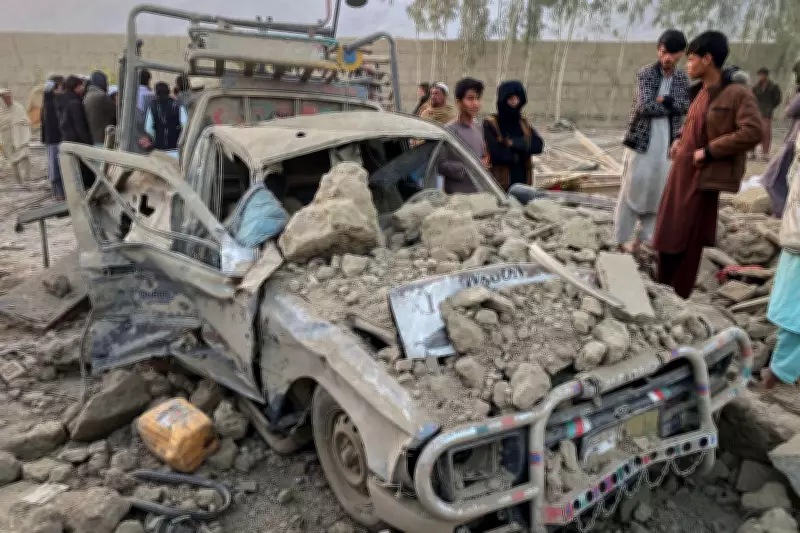
The conflict has extended beyond military targets, with clashes spreading to the Torkham border area. Afghan authorities began evacuating a refugee camp near the crossing after several refugees were wounded, while on the Pakistani side, local police reported that residents were moving to safer areas as fighting intensified.
Regional Implications and Diplomatic Context
The escalating conflict occurs against the backdrop of Afghanistan's assertion that it launched large-scale offensive operations against Pakistani military bases along the disputed Durand Line. Afghan government spokesman Zabihullah Mujahid stated that these operations were in retaliation for what Kabul calls repeated Pakistani aggression.

Afghanistan's Defence Ministry indicated that fighting was underway across five border provinces, suggesting a broader regional conflict than initially reported. This expansion of hostilities raises concerns about potential spillover effects in an already volatile region.
Foreign Ministry spokesperson Tahir Andrabi defended earlier Pakistani airstrikes as "precision strikes" targeting training camps of the Pakistani Taliban, emphasizing that Pakistan had "nothing against the people of Afghanistan." This distinction attempts to separate military objectives from civilian populations, though reports of civilian displacement suggest the conflict's broader human impact.
Historical Context and Border Disputes
The current escalation builds upon longstanding border tensions between Pakistan and Afghanistan, particularly concerning the Durand Line—the disputed border established during British colonial rule. Both nations have historically contested territorial claims along this boundary, with periodic clashes erupting despite diplomatic efforts to maintain stability.
The involvement of Taliban forces adds complexity to the situation, given Pakistan's historical relationship with various Afghan factions and the current Taliban government's consolidation of power in Afghanistan following the withdrawal of international forces.
As military operations continue and diplomatic channels remain strained, regional observers are closely monitoring whether this escalation represents a temporary spike in violence or the beginning of a more sustained conflict between the two neighboring nations.