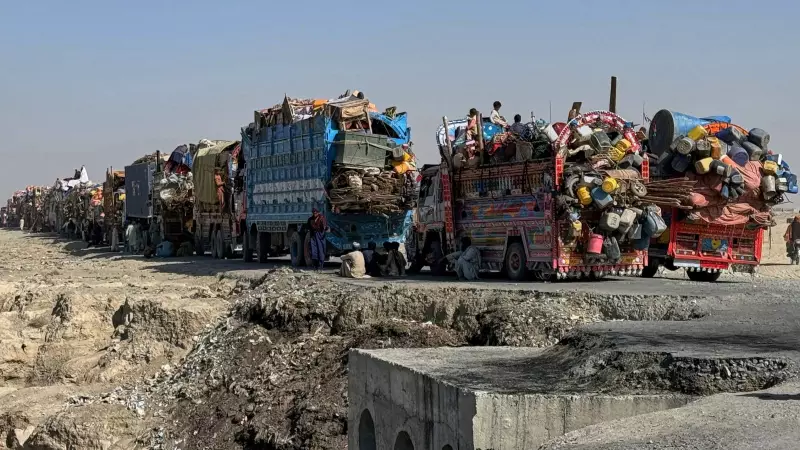
High-stakes peace negotiations between Pakistan and Afghanistan have reached a critical impasse, despite intensive mediation efforts by Saudi Arabia and China, according to recent diplomatic reports.
Mediation Efforts Fail to Break Deadlock
The peace talks, which involved significant diplomatic intervention from both Saudi and Chinese officials, have failed to produce any breakthrough. Multiple rounds of discussions held in Saudi Arabia and China attempted to bridge the growing divide between the neighboring nations, but fundamental disagreements have prevented any meaningful progress.
Pakistan has been pushing for a comprehensive ceasefire agreement with the Taliban-led Afghan government, particularly demanding that Kabul take concrete action against militant groups operating from its territory. The primary focus remains on the Tehreek-e-Taliban Pakistan (TTP), which Islamabad claims continues to launch cross-border attacks from Afghan soil.

Core Disagreements Blocking Progress
The deadlock centers around several critical issues that neither side appears willing to compromise on. Pakistan's insistence on a complete cessation of hostilities by the TTP has been met with limited cooperation from the Afghan Taliban government.
Pakistan's security establishment maintains that without verifiable action against TTP sanctuaries, any peace agreement would be meaningless. The country has witnessed a significant surge in terrorist activities since the Taliban returned to power in Afghanistan, with security officials documenting numerous cross-border incidents.
Meanwhile, the Afghan Taliban leadership has shown reluctance to take direct military action against the TTP, citing ideological and ethnic affiliations. This fundamental disagreement has created an insurmountable obstacle in the negotiation process, despite the best efforts of international mediators.
Regional Implications and Future Prospects
The stalled peace talks have significant implications for regional stability and security. Both Saudi Arabia and China have substantial strategic interests in the region and view Pakistan-Afghanistan stability as crucial for their economic and security objectives.
China's involvement stems from concerns about the security of its Belt and Road Initiative projects, particularly the China-Pakistan Economic Corridor (CPEC), which passes through sensitive regions near the Afghanistan border. The continued instability threatens Chinese investments and personnel security in the region.
Saudi Arabia, with its historical influence in both countries, has been attempting to leverage its diplomatic relationships to foster reconciliation. However, the complex web of tribal loyalties, ideological commitments, and security concerns has proven difficult to navigate even for experienced mediators.
The current deadlock suggests that immediate resolution appears unlikely without significant concessions from either side. Diplomatic sources indicate that backchannel communications continue, but the fundamental trust deficit between Islamabad and Kabul remains the biggest challenge to any sustainable peace agreement.
As the situation stands, regional powers continue their mediation efforts, but the path forward remains uncertain, with both nations maintaining their core positions on security and sovereignty matters.