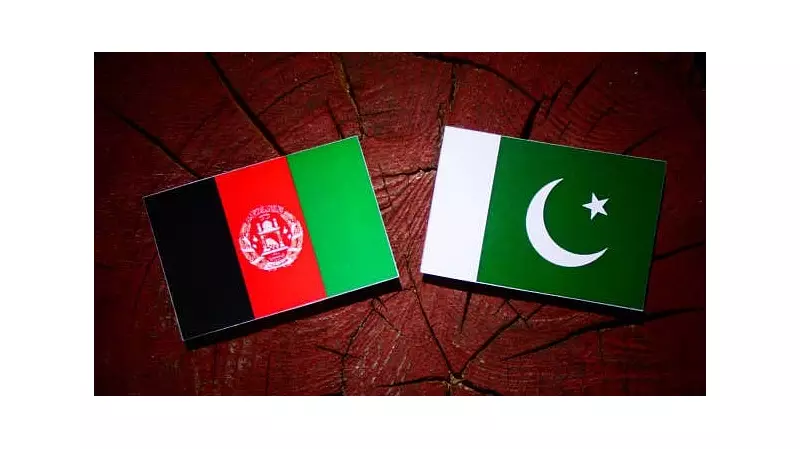
Pakistan-Afghanistan Security Dialogue Ends in Stalemate
The third round of high-level talks between Pakistan and Afghanistan has concluded without reaching a formal agreement, dealing a significant blow to regional security cooperation efforts. The two-day dialogue, which began on Thursday, failed to produce the crucial written commitment that Pakistan had been seeking from the Afghan government regarding action against militant groups operating from Afghan soil.
Key Points of Contention
The central sticking point in the negotiations was Pakistan's demand for a written guarantee from Kabul that it would take concrete measures against Tehreek-i-Taliban Pakistan (TTP) militants. Pakistani authorities accuse these groups of using Afghan territory as a base for launching attacks against Pakistan, creating serious security concerns along the border regions.
The talks, which extended over two days of intensive discussions, saw both sides presenting their security concerns and expectations. However, despite the extended dialogue period, the Afghan delegation stopped short of providing the formal written assurance that Pakistan considered essential for moving forward with confidence-building measures.

Background and Implications
This represents the third round of talks between the neighboring nations, highlighting the persistent nature of the security challenges in the region. The failure to reach an agreement underscores the complex diplomatic and security landscape that continues to define Pakistan-Afghanistan relations.
The absence of a written commitment from Afghanistan means that cross-border security concerns remain largely unaddressed, potentially affecting stability in both countries. This development comes at a time when regional security cooperation is considered crucial for combating militant activities and ensuring peace along the porous border.
Observers note that the inability to secure a formal agreement may impact future diplomatic engagements between the two nations and could influence the broader regional security dynamics. Both countries now face the challenge of finding alternative pathways to address their mutual security concerns while maintaining diplomatic channels open for future dialogue.