Pakistan Declares 'Open War' Against Afghanistan Following Escalating Border Conflict
In a dramatic escalation of hostilities, Pakistan has officially declared what its defense minister is calling an "open war" against neighboring Afghanistan. This declaration follows a series of targeted airstrikes conducted by Pakistan on alleged terrorist camps situated along the volatile border between the two nations.
Escalation from Airstrikes to Open Conflict
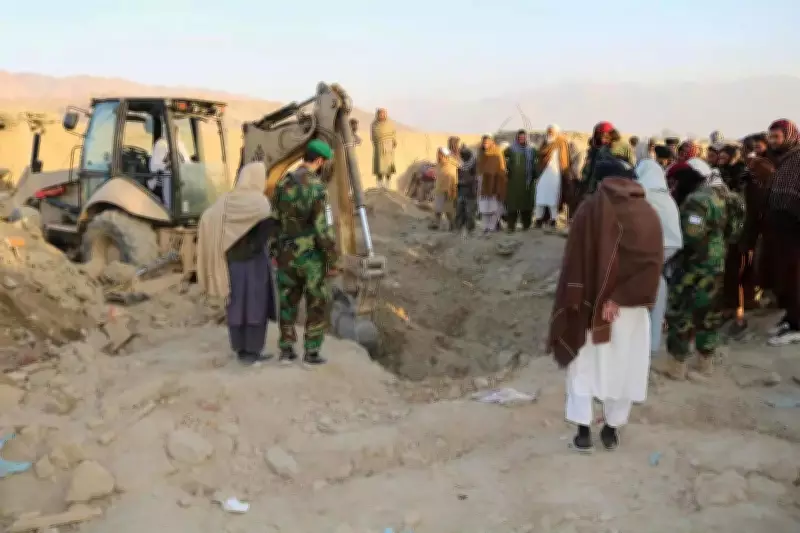
The situation rapidly deteriorated after Pakistan executed precision airstrikes on multiple suspected militant bases on February 21. These military operations were specifically aimed at locations that Pakistani intelligence identified as hubs for terrorist activities. The strikes represent a significant intensification of Pakistan's longstanding efforts to combat cross-border terrorism emanating from Afghan territory.
According to security sources within Pakistan, these aerial assaults successfully neutralized at least 70 terrorists who were allegedly planning operations against Pakistani interests. However, the United Nations has reported a conflicting casualty count, indicating that the airstrikes resulted in the deaths of at least 13 civilians, raising serious humanitarian concerns about the conduct of the military campaign.

From Targeted Strikes to Full-Scale Declaration
What began as targeted counter-terrorism measures last week has now evolved into what Pakistani authorities are characterizing as an "open war" against Afghanistan. This terminology suggests a shift from limited military engagements to a more comprehensive and sustained conflict posture. The defense minister's stark declaration underscores the gravity with which Pakistan views the security threat originating from across its western border.
The border region between Pakistan and Afghanistan has historically been a flashpoint for tensions, with both nations accusing each other of harboring militant groups that launch attacks across the frontier. This latest development represents one of the most serious deteriorations in bilateral relations in recent years, potentially destabilizing an already volatile region.
Regional Implications and International Response
The declaration of "open war" carries profound implications for regional security dynamics. It signals Pakistan's willingness to employ more aggressive military strategies to address what it perceives as existential threats from militant sanctuaries in Afghanistan. This approach marks a departure from previous diplomatic and covert efforts to manage cross-border security challenges.
International observers are closely monitoring the situation, particularly given the United Nations' documentation of civilian casualties. The conflict raises urgent questions about:
- The protection of non-combatants in conflict zones
- The potential for broader regional destabilization
- The impact on ongoing counter-terrorism cooperation in South Asia
- The humanitarian consequences for border communities
As tensions continue to mount, the international community faces increasing pressure to mediate between the two nations and prevent further escalation of hostilities that could have far-reaching consequences beyond their immediate border region.