Pakistan Announces Open War Against Afghanistan Following Military Strikes
In a dramatic escalation of hostilities, Pakistan has formally declared open war on Afghanistan. This declaration comes in the immediate aftermath of Pakistan carrying out a series of targeted airstrikes within Afghan territory, specifically hitting locations in the capital city of Kabul and the southern province of Kandahar. The move marks a significant and dangerous turn in the long-standing tensions between the two neighboring nations, potentially destabilizing the entire South Asian region.
Details of the Military Action
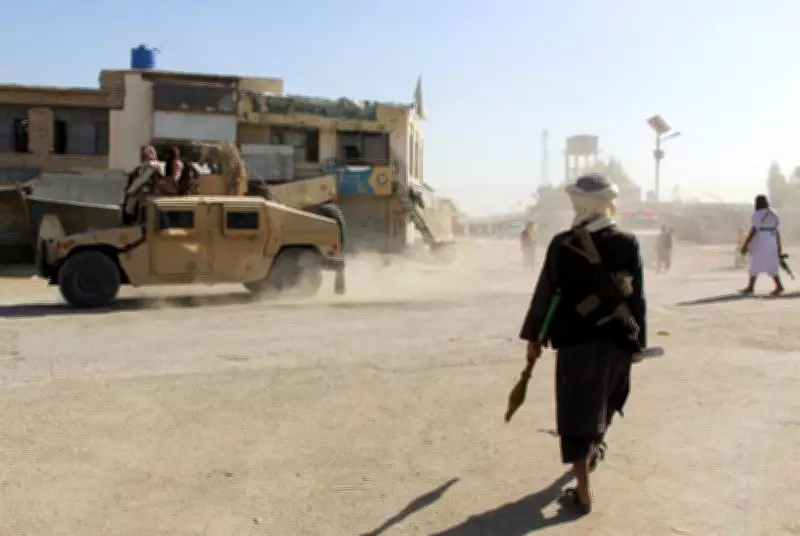
The Pakistani military confirmed that it executed precision airstrikes on what it described as militant hideouts and operational bases in Kabul and Kandahar. According to official statements from Islamabad, these strikes were a direct response to what Pakistan claims are cross-border terrorist attacks originating from Afghan soil, which have threatened Pakistani national security and resulted in civilian casualties. The Afghan government, however, has vehemently denied these allegations, labeling the airstrikes as an unprovoked act of aggression and a blatant violation of its sovereignty.
The declaration of open war by Pakistan is an unprecedented step, indicating a shift from sporadic border skirmishes to a full-scale military confrontation. This development has sent shockwaves through the international community, with global powers expressing deep concern over the potential for a protracted conflict that could spill over into other countries and exacerbate existing humanitarian crises in the area.

Regional and Global Implications
The open war declaration raises alarming questions about regional stability. Both Pakistan and Afghanistan are key players in South Asia, and their conflict could have far-reaching consequences, including disruptions to trade routes, increased refugee flows, and heightened security risks for neighboring nations such as Iran, India, and Central Asian states. The situation is further complicated by the presence of various militant groups operating in the border regions, which could exploit the chaos to strengthen their positions.
International reactions have been swift, with calls for immediate de-escalation and diplomatic dialogue. The United Nations and several world leaders have urged both countries to exercise restraint and seek peaceful resolutions through established channels. However, with Pakistan's firm stance and Afghanistan's defensive posture, the path to reconciliation appears fraught with challenges.
Historical Context and Future Outlook
This conflict is rooted in decades of historical grievances, border disputes, and accusations of harboring terrorist elements. The recent airstrikes and war declaration represent a boiling point in these strained relations. Analysts warn that without urgent international mediation, the situation could deteriorate into a larger war, with devastating impacts on civilian populations already suffering from economic hardship and political instability.
As the world watches closely, the focus now shifts to how the international community will respond to this crisis. The potential for escalation remains high, and the coming days will be critical in determining whether diplomacy can prevail over military action. The declaration of open war by Pakistan against Afghanistan is a stark reminder of the fragile peace in the region and the urgent need for sustained efforts to address underlying issues through dialogue and cooperation.