Pakistan Launches Airstrikes in Afghanistan Following Cross-Border Attack
In a significant escalation of regional tensions, Pakistan conducted a series of airstrikes targeting multiple cities in Afghanistan, including the capital Kabul, Kandahar, and Paktia. This military action occurred just hours after a cross-border attack from Afghanistan, marking a sharp deterioration in relations between the two neighboring countries.
Details of the Airstrikes
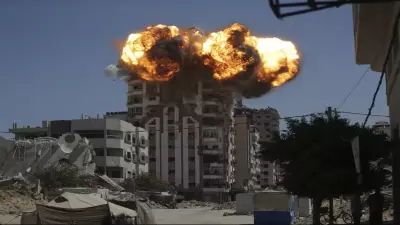
The airstrikes were carried out by the Pakistan Air Force, with reports indicating that the operations focused on strategic locations within the Afghan cities. Kabul, as the political and administrative heart of Afghanistan, was among the primary targets, alongside Kandahar, a key cultural and economic hub, and Paktia, a province known for its strategic border significance. The timing of these strikes, coming shortly after the cross-border incident, suggests a direct retaliatory response by Pakistan.
Background and Context
The cross-border attack that preceded the airstrikes involved militants based in Afghanistan launching an assault into Pakistani territory. This incident has been a recurring issue in the region, with both nations accusing each other of harboring militant groups that threaten their security. The latest escalation underscores the fragile state of bilateral relations, which have been strained by historical conflicts, territorial disputes, and ongoing security challenges.

Regional and International Implications
The airstrikes are likely to have far-reaching consequences for regional stability. Key points to consider include:
- Increased Tensions: The military action could lead to a cycle of retaliation, further destabilizing the Afghanistan-Pakistan border region.
- Humanitarian Concerns: Civilians in the targeted areas may face risks, with potential impacts on displacement and access to essential services.
- International Response: Global powers and neighboring countries are expected to monitor the situation closely, with calls for de-escalation and diplomatic resolutions.
As the situation develops, updates on casualties, damage assessments, and official statements from both governments are awaited. The international community has urged restraint and dialogue to prevent further violence in this volatile region.