

Military Analysis: Pakistan vs. Afghan Taliban Forces Amid Rising Border Tensions
As tensions flare along the Pakistan-Afghanistan border, a critical examination of how the militaries of Pakistan and the Afghan Taliban stack up reveals significant disparities in capabilities and resources. This analysis comes in the wake of recent incidents, including a reported Pakistani air strike in Kabul on March 17, 2026, which targeted a drug rehabilitation hospital, according to Taliban claims. The escalating conflict underscores the volatile dynamics in the region, with both sides mobilizing forces amid diplomatic strains.
Personnel and Ground Forces
The Pakistani military, a well-established institution, boasts a large and professional force with extensive training and international partnerships. In contrast, the Afghan Taliban's forces, operating under a government lacking broad international recognition, face constraints in personnel development. The Taliban's military relies heavily on experienced fighters from the insurgency era, but struggles with formal training programs and recruitment due to isolation from global defense networks. This recognition gap severely limits their access to advanced military education and expertise, hampering efforts to build a conventional army.
Fighting Vehicles and Artillery
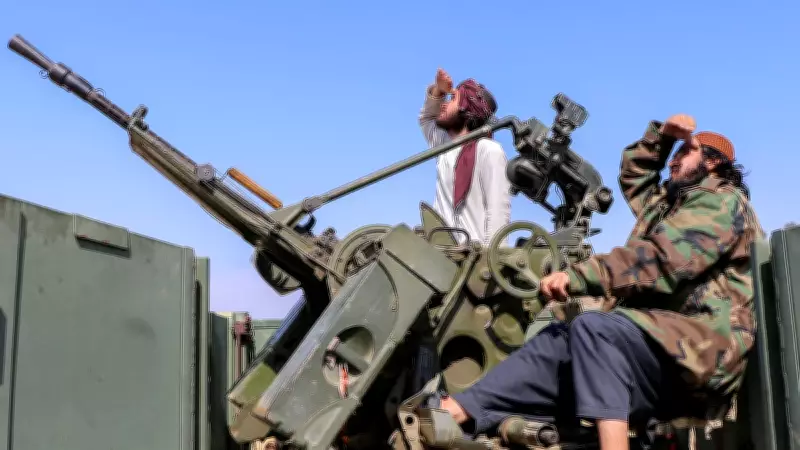
Pakistan maintains a diverse arsenal of modern fighting vehicles and artillery systems, supported by domestic production and foreign acquisitions. Historical displays, such as the Pakistan Day military parade in Islamabad, showcase advanced air defense missile systems and armored units. Conversely, the Afghan Taliban's inventory is largely composed of captured equipment from the former Afghan National Army and improvised solutions. While they have demonstrated proficiency in guerrilla tactics, their conventional capabilities in terms of heavy artillery and mechanized units remain limited, relying on stockpiles amassed during the conflict.

Air Force and Aerial Capabilities
The Pakistani Air Force is a formidable regional power, equipped with fighter jets, drones, and surveillance aircraft, enabling significant aerial dominance. Recent events, including the Kabul air strike, highlight Pakistan's ability to project air power across the border. In response, the Afghan Taliban has deployed anti-aircraft fire, as seen in tracer rounds following explosions, but lacks a structured air force. Their aerial defense is rudimentary, depending on man-portable systems and legacy equipment, leaving them vulnerable to air assaults and restricting their operational reach in contested airspace.
Nuclear Deterrence and Strategic Assets
A key differentiator is Pakistan's nuclear arsenal, which serves as a strategic deterrent and elevates its military standing globally. This capability provides Pakistan with a significant advantage in any prolonged conflict scenario. The Afghan Taliban, on the other hand, possesses no nuclear weapons and relies on asymmetric warfare strategies. Their focus remains on ground-based insurgency tactics, with no access to such high-level strategic assets, which could influence the balance of power in negotiations and military engagements.
Challenges and Future Outlook
The Afghan Taliban's military is further constrained by logistical issues, including restricted access to spare parts, maintenance expertise, and international support due to their government's unrecognized status. This hampers sustainability and modernization efforts. Pakistan, while facing economic and internal security challenges, benefits from established defense ties and a more robust industrial base. As tensions persist, the disparity in military capabilities could shape conflict outcomes, with Pakistan holding advantages in technology and resources, whereas the Taliban leverages terrain knowledge and resilient guerrilla networks.
In summary, the military comparison reveals Pakistan's superiority in conventional warfare elements, while the Afghan Taliban excels in irregular combat but faces severe limitations in formal military structures. The ongoing tensions highlight the need for diplomatic resolutions to prevent further escalation in this volatile region.






