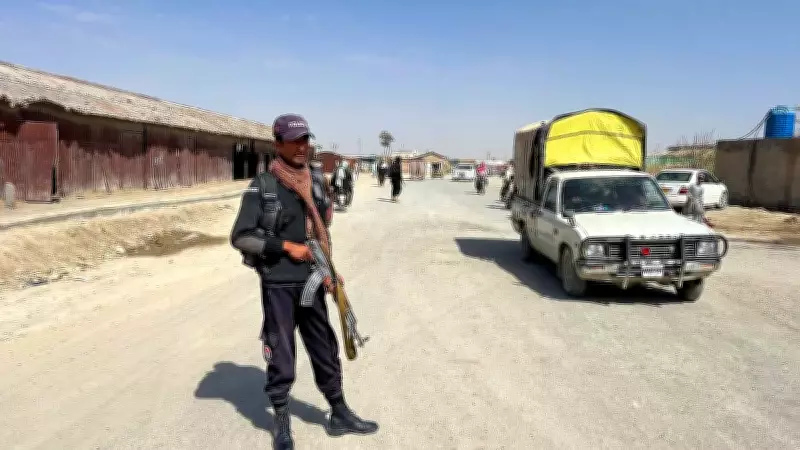
Pakistan and Taliban Militaries: A Comparative Analysis Amid Rising Tensions
As tensions flare between Pakistan and the Taliban-led government in Afghanistan, a detailed examination of their military capabilities reveals significant disparities in size, equipment, and operational strategies. This analysis comes amid escalating border clashes and diplomatic strains, raising concerns about regional stability in South Asia.
Military Size and Personnel
The Pakistan military, one of the largest in the world, boasts an active-duty force of approximately 650,000 personnel, supported by a reserve component of over 500,000. In stark contrast, the Taliban's military forces in Afghanistan are estimated to number around 150,000 to 200,000 fighters, primarily drawn from insurgent backgrounds with limited formal training. Pakistan's army is structured into conventional divisions and corps, while the Taliban relies on a more decentralized network of militias and local commanders.
Equipment and Technology
Pakistan's military arsenal includes advanced weaponry such as F-16 fighter jets, main battle tanks like the Al-Khalid, and a diverse range of missile systems, including nuclear-capable ballistic missiles. The country has invested heavily in defense technology, with partnerships from China and other nations. Conversely, the Taliban's forces are equipped with largely outdated Soviet-era weapons, small arms, and captured equipment from the former Afghan National Army. Their lack of air power and sophisticated technology poses a major limitation in conventional warfare scenarios.

- Pakistan maintains a robust air force and navy, whereas the Taliban has no significant air or naval assets.
- Pakistan's defense budget exceeds $10 billion annually, dwarfing the Taliban's limited financial resources.
- The Taliban's strength lies in guerrilla tactics and terrain familiarity, unlike Pakistan's conventional military doctrine.
Strategic Posture and Regional Implications
Pakistan's military strategy focuses on deterrence against India and counterterrorism operations, with a well-established command structure and international alliances. The Taliban, having recently seized power, prioritizes internal security and consolidation of control, often relying on irregular warfare methods. Tensions have escalated due to cross-border skirmishes, refugee flows, and disputes over militant groups operating in the region. Experts warn that prolonged conflict could destabilize the broader area, affecting neighboring countries and global security interests.
Insights from Analysts:- Military analysts highlight Pakistan's technological edge but note the Taliban's resilience in asymmetric conflicts.
- Regional observers point to historical animosities and proxy warfare as fueling current tensions.
- Diplomatic efforts are deemed crucial to prevent a full-scale confrontation, given the humanitarian risks involved.
In summary, while Pakistan's military holds a clear advantage in conventional terms, the Taliban's forces present a formidable challenge through insurgent tactics and local support. As both sides navigate this volatile period, the outcome will hinge on diplomatic engagements and strategic calculations, with significant implications for peace and security in Afghanistan and beyond.