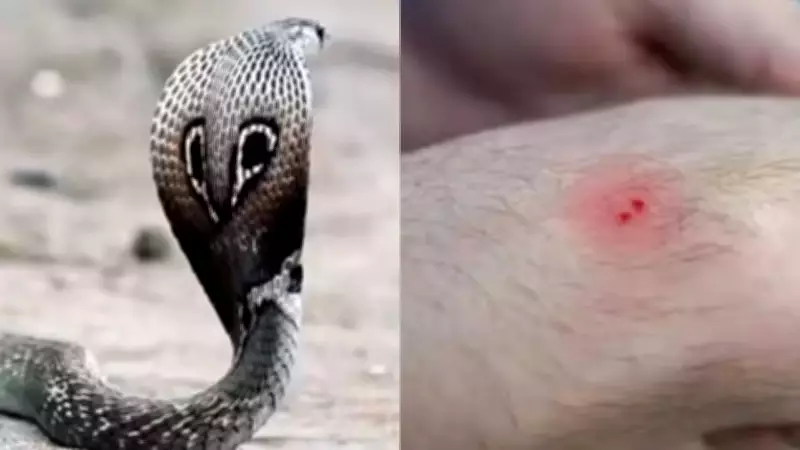
Summer had just begun when 75-year-old Sudharma stepped out into the compound of her house in Kerala for routine morning chores. Minutes later, she collapsed after being bitten near a well. By the time her family rushed her to the hospital, it was too late. Officials suspect the bite was from a Russell’s viper — one of India’s deadliest snakes.
Across India, health departments, wildlife rescuers and doctors are warning of a seasonal surge in snakebite cases as rising temperatures, changing weather patterns and increased outdoor activity push humans and snakes into closer contact. From Karnataka and Kerala to Punjab, Uttar Pradesh and Noida, hospitals are reporting more snakebite cases this summer, with experts cautioning that the peak season is only beginning.
Why Snakebite Cases Rise During Summer
Doctors say the increase is closely linked to seasonal behaviour patterns of snakes. Being cold-blooded reptiles, snakes depend on external temperatures to regulate body heat. During extreme summer, they leave burrows in search of cooler surroundings, water and prey. Monsoon flooding later forces many species out of hiding and into dry spaces occupied by humans.

Dr Jeedhu Radhakrishnan, cluster head of emergency medicine at KMC Hospital, said cases generally rise between April and October. “During extreme summer, snakes leave their burrows in search of cooler surroundings. In the rainy season, flooding forces them out of their habitats and into dry areas, increasing the chances of human contact,” he said.
Wildlife rescuers say many bites occur accidentally when people unknowingly step on snakes hidden in fields, bushes or poorly lit surroundings. Officials also noted that snakebite incidents were reported even while children and students were playing cricket and football outdoors during summer evenings, highlighting how snakes are increasingly entering human spaces in search of cooler conditions.
Karnataka Sees Sharp Rise in Cases
Karnataka has reported one of the sharpest increases in snakebite cases this year. According to the Integrated Disease Surveillance Programme (IDSP), the state recorded 3,939 snakebite cases and 39 deaths between January and the last week of April this year. April alone accounted for 961 bites and 11 deaths. During the same period last year, Karnataka had reported 3,295 bites and 19 deaths.
Health officials say better reporting after snakebite was declared a notifiable disease in February 2024 partly explains the increase. However, authorities also acknowledge that seasonal conditions are driving more encounters. “In Karnataka, cases usually begin increasing during summer and continue through the monsoon,” a senior health department official said. Officials expect the numbers to rise further between May and September as agricultural activity intensifies during the rainy season. “Human-snake encounters rise sharply during this period,” the official added.
Coastal Karnataka: Farmers Among Most Vulnerable
Snakebites remain a major medical concern in coastal Karnataka, with frequent cases being reported from rural and peripheral regions such as Puttur, Sullia and Belthangady. Doctors say farmers and other outdoor workers in these areas are among the most vulnerable to snake encounters. “On average, we see one or two snakebite cases every week. Most patients come from rural areas and initially seek treatment at local centres or try traditional remedies,” Dr Radhakrishnan said.
According to him, many victims are bitten early in the morning while walking barefoot through paddy fields or working in low visibility. “The common venomous snakes in the region include the cobra, krait and viper. While cobra and viper bites are usually painful and immediately noticeable, krait bites can be painless,” he explained. That often makes krait bites especially dangerous. “Krait bites often feel like a mosquito bite. Many victims ignore it and go back to sleep, only to develop serious complications later,” he added.

Kerala Strengthens Action Plan
Kerala has also stepped up its response following several snakebite deaths. The state health department recently rolled out a dedicated snakebite action plan that includes mapping snakebite hotspots, strengthening anti-venom supply chains and improving referral systems between hospitals. Remote primary health centres are being stocked with anti-venom to ensure quicker access to treatment in rural areas. Authorities are also focusing heavily on awareness campaigns. Farm workers are being encouraged to wear gumboots and gloves, while schools and local bodies are being involved in prevention drives. The state’s move came amid growing concern after multiple deaths linked to snakebites were reported during the summer months.
Mysuru Reports Cases Even During Outdoor Sports
Mysuru district recorded 723 snakebite cases and six deaths last year, with officials identifying April to October as the highest-risk period. Forest-fringe villages in Hunsur, HD Kote, Saragur and Periyapatna accounted for the majority of cases. However, incidents were also reported from residential localities near Chamundi Hills and populated urban neighbourhoods. Officials said snake bites were reported even while children and students were playing cricket and football outdoors during summer evenings, highlighting how snakes are increasingly entering human spaces in search of cooler conditions.
Punjab Sees Steady Increase in Snakebite Incidents
Punjab’s Ludhiana district has also witnessed a steady increase in cases over the years. Official data shows snakebite incidents rose from 83 in 2021 to 172 in 2024. Till June-end this year, 43 cases had already been reported. Health officials have identified hotspot regions including Machhiwara, Koom Kalan and Ladowal, which are located near agricultural land and water bodies. Many victims are bitten while working in fields, walking through overgrown vegetation or moving outdoors at night. Under the Punjab government’s compensation scheme, families of snakebite victims who die are entitled to financial assistance of Rs 2 lakh.
Nagpur: Delayed Treatment Proving Fatal
In Nagpur district, at least 17 people lost their lives due to snakebites in 2025 while 186 cases were reported. Data compiled by the Wildlife Welfare Society showed that most victims belonged to the 21-60 age group — the working population most exposed to outdoor activity. Wildlife Welfare Society secretary Nitish Bhandakkar said delayed medical treatment remains the biggest reason behind fatalities. “In most fatal cases, patients reach hospitals very late. Many people waste crucial time resorting to home remedies or herbal treatments,” he said. He stressed that immediate hospital treatment remains the only safe response after a venomous snakebite.
Noida Records Surge During Monsoon Months
Noida reported 143 snakebite cases between April and August 2025, with 61 cases recorded in July alone — significantly higher than the 41 cases reported during the same month last year. Most incidents were reported from rural areas such as Dadri, Kasna and Jewar. Officials said improved awareness and reporting contributed to the rise in numbers. Of the 62 cases recorded in 2024, at least 20 involved poisonous bites with neuroparalytic symptoms. The district health department has now issued advisories and launched awareness drives in schools, colleges and local communities on snakebite prevention and first aid.
Myths and Delays Still Costing Lives
Despite growing awareness, doctors and rescuers say misinformation continues to put lives at risk. Rajesh Kumar, a wildlife rescuer and activist working in Karnataka, said many people still rely on myths and traditional healers instead of seeking immediate treatment. “Many people still rely on myths shown in films and television. Some waste precious time going to traditional healers instead of hospitals. That can turn fatal,” he said. Doctors repeatedly warn against practices such as tying tight tourniquets, cutting the wound, sucking out venom or using so-called “snake stones”. “Tying a tight tourniquet can cut off blood supply and lead to limb loss. Cutting the wound or sucking the venom increases infection risk and does not help,” Dr Radhakrishnan said.
What Experts Advise After a Snakebite
Medical experts say the first priority after a snakebite is reaching a hospital quickly. They advise victims and families to remain calm, immobilise the affected limb, remove tight jewellery or clothing and transport the patient carefully to the nearest healthcare facility. Experts also stress that snakes generally avoid humans and bite mostly in self-defence. “They are naturally shy creatures,” Dr Radhakrishnan said. “Most bites occur accidentally when humans unknowingly step on or disturb them.” Simple precautions such as wearing boots outdoors, using a torch at night, keeping surroundings clean and avoiding walking barefoot in dark areas can significantly reduce the risk. As summer intensifies and monsoon approaches, authorities fear snakebite cases may continue rising across several states. For many families in rural India, a few minutes of delay, panic or reliance on myths can make the difference between life and death.