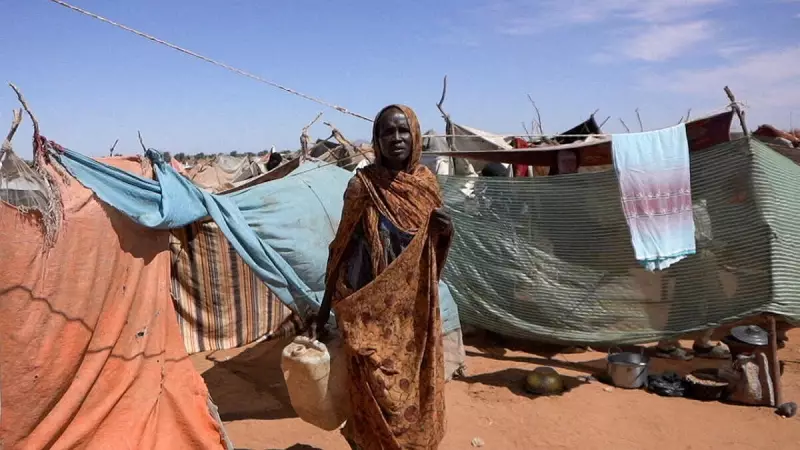
In a stark revelation that underscores a catastrophic failure of the international community, Sudan has been declared the most neglected crisis of 2025 by leading aid agencies. The situation on the ground is dire, with approximately 30 million Sudanese people – a number roughly equal to the entire population of Australia – currently in desperate need of humanitarian assistance.
A Catastrophe Unfolding in Silence
The alarming assessment, based on a poll of humanitarian organisations, points to a perfect storm of suffering that is unfolding largely away from the global spotlight. While conflicts elsewhere dominate headlines, the crisis in Sudan has deepened to a point where experts are issuing their most severe warnings yet. They report that life-saving aid operations are on the brink of total collapse, crippled by a lack of funding and access.
One of the most immediate and shocking indicators of the disaster is the state of aid supplies. Humanitarian warehouses across the country are nearly empty, unable to restock due to immense logistical challenges and insufficient support. This means essential food, medicine, and shelter materials are not reaching those who need them most, accelerating the slide into widespread starvation.

Famine Takes Hold in Key Cities
The most devastating consequence of this neglect is now official: two major Sudanese cities have tipped into famine. This formal declaration means that extreme food shortages have already led to acute malnutrition and death among the most vulnerable populations, including children. The famine status is a clear signal that the food system has broken down completely in these urban centres, turning them into epicentres of hunger.
The scale of need is almost incomprehensible. The 30 million people requiring aid represent a vast cross-section of Sudanese society—displaced families, children without parents, farmers who have lost their land, and city dwellers trapped by conflict. Their survival hinges on a humanitarian response that is currently failing to materialise at the required scale.
Why Has the World Looked Away?
Analysts suggest multiple reasons for the international neglect. Donor fatigue, competing global crises, and the complex, protracted nature of Sudan's conflict have contributed to a dangerous apathy. The result is a funding gap so severe that agencies cannot plan beyond immediate, stop-gap measures. The collapse of aid operations is not a future threat but a present reality, leaving millions to fend for themselves against famine and disease.
The report, dated 17 December 2025, serves as a final plea for action. It underscores that without an urgent and massive injection of resources and political will, the tragedy in Sudan will reach unimaginable proportions. The term "neglected" in the title is a damning indictment of a global system that allows a crisis of this magnitude to worsen in the shadows.
The people of Sudan, equivalent in number to a major developed nation, are waiting for a response that has been delayed for too long. The time for intervention is now, before empty warehouses and famine declarations become the prelude to an even greater historical catastrophe.