Just a week before the United States launched 'Operation Epic Fury' against Iran on February 28, a senior Pentagon official reportedly warned that such a military campaign could strain American weapons stockpiles. US media later reported that General Dan Caine, chairman of the Joint Chiefs of Staff, had also cautioned about the risk of a 'long-term entanglement'.
The Financial and Material Toll
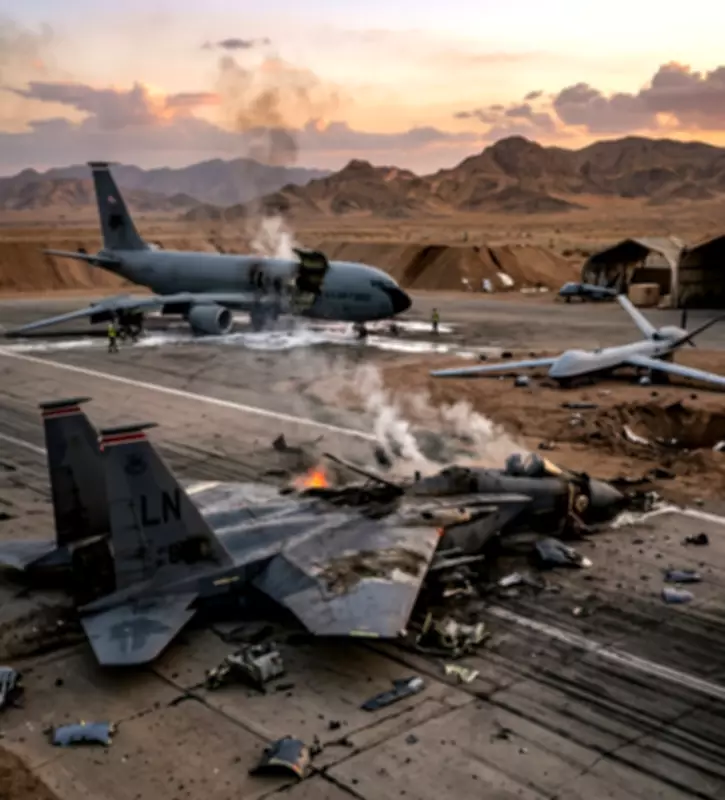
The operation, which President Donald Trump has rarely discussed publicly, came with a staggering price tag. According to declassified documents and defense analysts, the campaign cost approximately $29 billion. This figure includes the deployment of 42 aircraft, many of which were lost or severely damaged during the conflict. The financial burden extends beyond immediate military expenses, encompassing long-term maintenance, replacement costs, and veteran care.
Pentagon Warnings Ignored
Internal Pentagon assessments had highlighted the potential for significant resource depletion. One memo, obtained by investigative journalists, detailed how sustained operations in Iran could reduce the US military's capacity to respond to other global threats. General Caine's warnings about 'long-term entanglement' echoed concerns from previous administrations about Middle Eastern conflicts, yet the operation proceeded.

The human cost is equally profound. While official casualty figures remain classified, independent estimates suggest hundreds of American service members were killed or wounded. Iranian civilian casualties are believed to be in the thousands, though verification is difficult due to restricted access to the region.
Political and Strategic Aftermath
The war has reshaped Middle Eastern geopolitics. Iran's nuclear program, a stated target of the operation, was temporarily disrupted but later resumed with enhanced capabilities. Regional allies, including Saudi Arabia and Israel, have expressed mixed reactions, while adversaries like Russia and China have condemned the US action. Domestically, the conflict has deepened partisan divides, with critics accusing the administration of recklessness and lack of transparency.
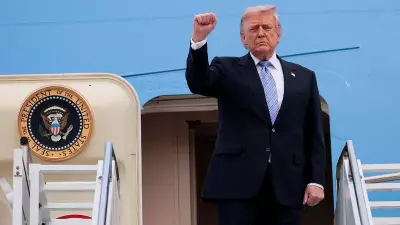
President Trump's reluctance to discuss 'Operation Epic Fury' publicly has fueled speculation about its necessity and execution. Some analysts argue that the operation was intended as a show of force but escalated beyond control. Others point to the economic strain, noting that the $29 billion could have funded domestic programs or deficit reduction.
In conclusion, the war's legacy is one of immense cost—financial, material, and human—with uncertain strategic gains. The Pentagon's initial warnings serve as a stark reminder of the risks inherent in large-scale military interventions.