

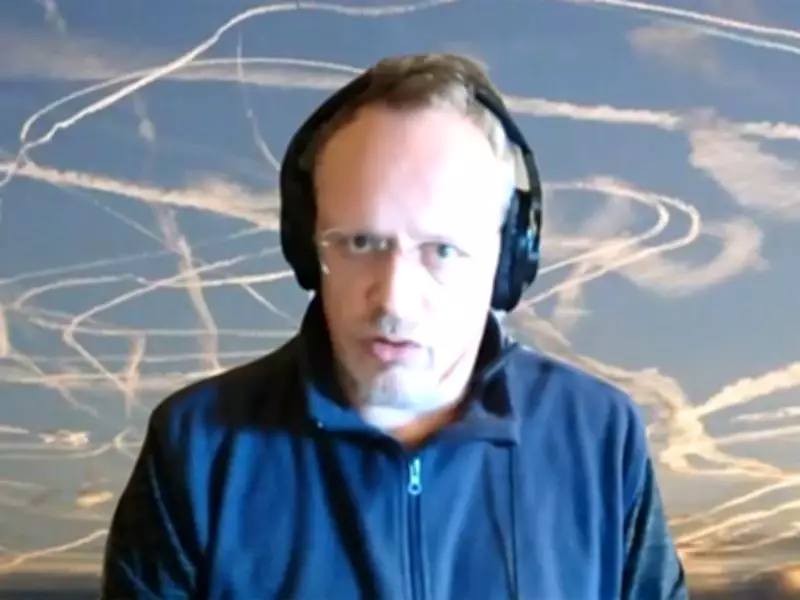
Analyst Tom Cooper Warns of Prolonged Iran Conflict, Says 'Already in War of Attrition'
Austrian aerial warfare analyst and historian Tom Cooper has issued a stark warning that the ongoing conflict involving Iran has already evolved into a prolonged war of attrition, dismissing earlier hopes for a swift resolution. In an interview with ANI, Cooper emphasized that the situation is far from over, with significant implications for regional stability.
Initial Expectations Dashed as Conflict Drags On
Cooper highlighted that initial predictions of a rapid end to the conflict have proven entirely misguided. "This war was supposed to end after three or four days with the downfall of the regime. And the regime is nowhere near collapse. It is still there, it is still present on the streets," he stated. He attributed this miscalculation to a failure to adequately consider military and intelligence assessments before initiating aggressive actions.
Resilience of Iranian Regime Complicates Prospects
The analyst pointed out the enduring strength of the Iranian establishment, noting its ability to maintain control and exert violence against its own population. "It can still exercise violence against its own population... the regime remains brutal, and it is around. Nobody is going to get rid of it just like that," Cooper remarked. He further explained that a significant portion of the population continues to support the regime, which complicates any prospects for rapid political change or regime collapse.

Unlikely De-escalation and Cycle of Retaliation
On the possibility of de-escalation, Cooper was pessimistic, stressing that even a ceasefire would not signify an end to the conflict. "Even if it stops now, it's not going to be over in a matter of days... Iranians are vengeful, and they are going to seek to extract some kind of revenge," he warned. He predicted a cycle of retaliation that could perpetuate instability, adding, "Even if there is a ceasefire tomorrow, we can already start our stopwatches until the next war thereafter."
Background of Escalation and Regional Impact
Cooper's remarks follow a significant escalation in West Asia that began after US-Israeli strikes on Iran on February 28, 2026. These strikes resulted in the death of Iran's former Supreme Leader Ayatollah Ali Khamenei and senior military figures, prompting retaliatory drone and missile attacks by Iran against Israel and US assets in Gulf nations. This series of events has intensified tensions, contributing to the prolonged nature of the conflict as described by Cooper.
In summary, Cooper concluded that the conflict is set to be a long-term engagement rather than a short-lived skirmish, underscoring the complexities and challenges ahead in the region.






