

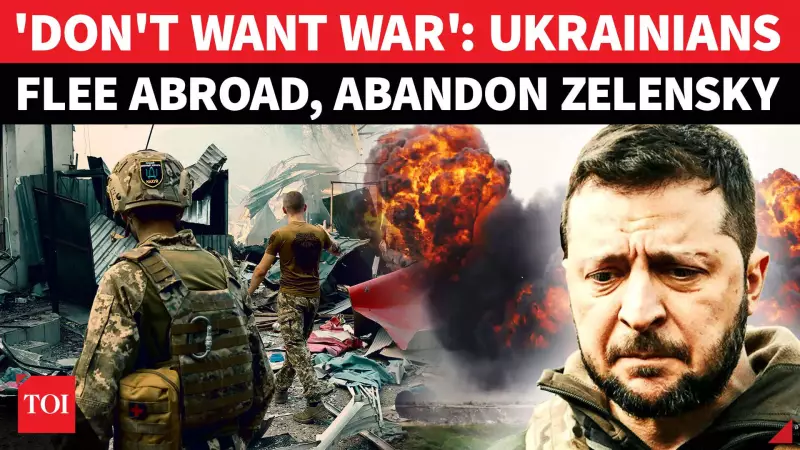
As the war in Ukraine continues, the country is grappling with a significant shortage of troops, with its defences reportedly under severe strain from relentless Russian assaults. In a desperate bid to avoid conscription, some Ukrainian men are resorting to extreme and dangerous methods to flee the country, according to a recent report highlighted by Russian media.
Underground Escape Routes Uncovered
Eight individuals have been detained on allegations of organising escape routes for Ukrainians seeking to dodge the military draft. Their method, as reported, is particularly unusual and hazardous: using decommissioned or unused gas pipelines that run from Ukraine into neighbouring European nations. These underground conduits, once meant for transporting fuel, are now allegedly being used to smuggle people desperate to avoid wartime service.
The report, which surfaced on December 24, 2025, underscores the lengths to which some citizens are going to escape their duty. This incident highlights the ongoing manpower challenges faced by Kyiv as it struggles to hold the line against a larger invading force.

Fake Certificates and Official Corruption
In a separate but related development, the crackdown on draft evasion has widened. A former Ukrainian official now stands accused of being part of a scheme to help civilians avoid the call to arms. The ex-official is alleged to have been involved in providing fraudulent disability certificates to individuals, falsely declaring them unfit for military service.
This case points to potential corruption within the system, exploiting legal medical exemptions to aid draft dodgers. It represents another facet of the internal struggle Ukraine faces in mobilising its population for a protracted conflict.
Broader Implications for the War Effort
These revelations come at a critical time. The mass troop shortage is a persistent and serious issue for Ukrainian commanders. With frontlines stretching over hundreds of kilometres, the need for a steady supply of trained soldiers is paramount. Incidents of evasion, whether through dangerous escapes or document forgery, directly undermine national mobilization efforts and morale.
While the report originates from a Russian media source and should be considered within that context, it aligns with broader, independently reported challenges of conscription and morale in Ukraine. The Ukrainian government has previously acknowledged difficulties with draft evasion and has implemented several rounds of mobilization and stricter penalties for those avoiding service.
The use of gas pipelines for escape not only illustrates the desperation of some individuals but also raises significant security concerns for European nations bordering Ukraine. It exposes a vulnerable, unconventional route that could potentially be exploited for purposes beyond draft evasion.






