

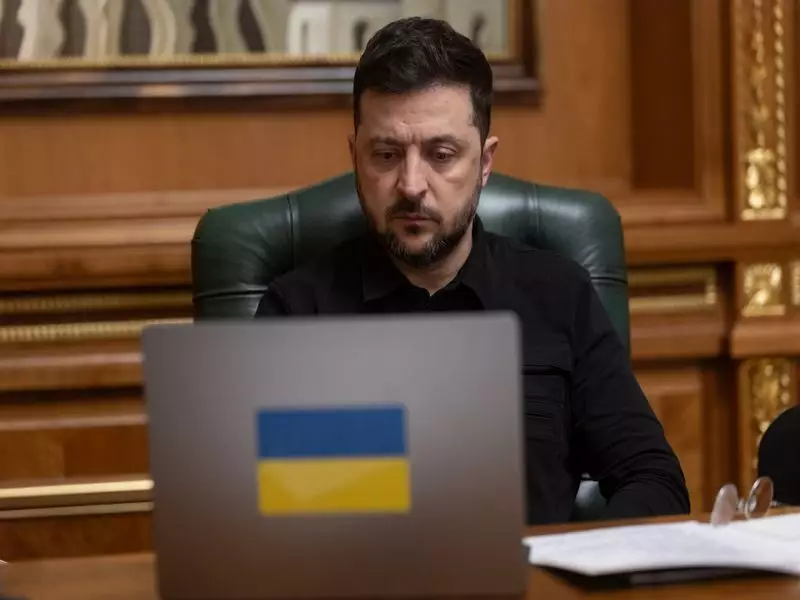
High-level negotiators from Ukraine and the United States have decided to continue their diplomatic discussions following a recent round of peace talks with Russia that concluded without any significant compromise. The negotiations, aimed at finding a resolution to the ongoing conflict, hit a stalemate on critical issues, prompting plans for further dialogue.
Stalled Negotiations and Key Sticking Points
The talks, which involved Ukrainian officials and representatives from the Russian Federation, failed to bridge the gap on several fundamental disputes. David Arakhamia, the head of Ukraine's negotiating team and a parliamentary faction leader, confirmed the lack of progress. He stated that following the discussions, which included a meeting with US representatives, both Ukrainian and American sides agreed on the necessity of future consultations.
Arakhamia highlighted that the core disagreements preventing a peace deal remain unchanged. The status of Crimea, the peninsula annexed by Russia in 2014, and the broader issue of Ukraine's potential membership in NATO are among the most contentious points. From the Ukrainian perspective, any resolution must be based on the country's territorial integrity and sovereignty.

Ukrainian Adviser Details the Deadlock
Echoing Arakhamia's assessment, Mykhailo Podolyak, a key adviser to Ukrainian President Volodymyr Zelenskyy, provided detailed insight into the deadlock. He explained that the negotiations revealed a clear divergence in how Ukraine and Russia view the root causes of the war and the principles for ending it.
"The negotiation process with the Russian Federation is ongoing, but it is extremely difficult," Podolyak remarked. He emphasized that Russia continues to insist on terms that would effectively force Ukraine to surrender its geopolitical choice and concede territory. Ukraine's position is firm on not accepting any ultimatums or agreements that compromise its statehood.
Podolyak outlined the primary obstacles as identified by the Ukrainian side:
- Russia's demand for legal recognition of Crimea as Russian territory.
- Russia's insistence on Ukraine abandoning its aspirations to join NATO and adopting a status of permanent neutrality.
- Disagreements over the status of the eastern Donbas region.
The Path Forward and International Involvement
Despite the impasse, the commitment to continue talks signals that diplomatic channels remain open, albeit with low immediate expectations for a breakthrough. The involvement of US negotiators underscores the international dimension of the conflict and the West's support for Ukraine's position.
The decision for Ukrainian and American officials to hold subsequent discussions indicates a coordinated strategy. It suggests that any potential future negotiations with Russia will likely be preceded by close alignment between Kyiv and its Western allies, particularly Washington. The focus is expected to remain on securing a peace that upholds international law and Ukraine's sovereignty, rather than one imposed through military coercion.
The ongoing war continues to have severe humanitarian and global economic consequences. As fighting persists on the ground, the diplomatic front remains active but fraught with challenges, with both sides holding fundamentally incompatible positions on the war's origins and its solution.






