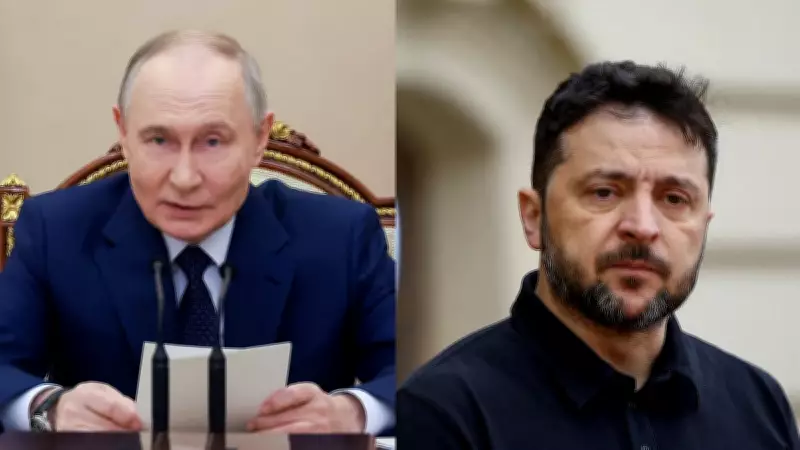
There is no question that Vladimir Putin’s preference is to end the war. Significantly, despite Zelenskyy’s uncouth behaviour last week by penning a rude letter to Putin and the wanton drone attacks on patently civilian targets in Russia, the Kremlin has not escalated. Instead, Moscow has signaled openness to negotiations, while Europe is increasingly knocking on doors for a diplomatic solution. The United States, meanwhile, watches from a distance, balancing support for Ukraine with domestic political pressures.
Europe's Growing Push for Peace
European leaders, weary of the conflict's economic and humanitarian toll, are stepping up calls for a ceasefire. France and Germany have proposed a new round of talks, aiming to bridge the gap between Kyiv and Moscow. The EU's foreign policy chief has emphasized the need for a 'just peace' but acknowledges that Ukraine's maximalist demands may need adjustment. Europe's energy crisis and inflation have made continued war unsustainable for many member states.
Russia's Stance: Resistance Amid Signals
Russia has maintained its military objectives but has shown flexibility in diplomatic channels. Putin's recent comments suggest a willingness to freeze the conflict along current frontlines, provided Ukraine drops its NATO ambitions. However, Moscow insists on recognition of Crimea and the Donbas regions. The drone attacks on Russian civilian areas have complicated the narrative, but the Kremlin has not used them as a pretext for escalation.

US Role: Cautious Observation
The United States continues to provide military aid to Ukraine but has avoided direct involvement. Washington's focus remains on preventing a broader war with Russia. Domestic politics, with upcoming elections, have made the Biden administration cautious about deeper engagement. US officials have privately urged Ukraine to consider realistic peace terms, though publicly they support Kyiv's right to self-defense.
Zelenskyy's Calculated Risks
Ukrainian President Volodymyr Zelenskyy has taken a hardline stance, rejecting any territorial concessions. His letter to Putin, described as 'rude' by analysts, and the drone strikes are seen as attempts to strengthen his bargaining position. However, these moves risk alienating European allies who favor negotiation. The Ukrainian military faces manpower and ammunition shortages, making a protracted war costly.
International Implications
The conflict's endgame will reshape global alliances. A frozen conflict could lead to a new Iron Curtain in Europe. The Global South has largely remained neutral, but prolonged war threatens food and energy security worldwide. The UN has called for de-escalation, but a breakthrough remains elusive.
In conclusion, while Putin prefers ending the war, the path to peace is fraught with mistrust and conflicting interests. Europe's push for resolution, Russia's resistance, and US caution create a complex dynamic. The coming months will test whether diplomacy can prevail over continued bloodshed.