The United States military has initiated a fresh wave of airstrikes against facilities used by the Islamic State (ISIS) in Syria. This action, confirmed by the US Central Command (CENTCOM), is a direct response to recent attacks targeting American forces stationed in the region.
Details of the Military Operation
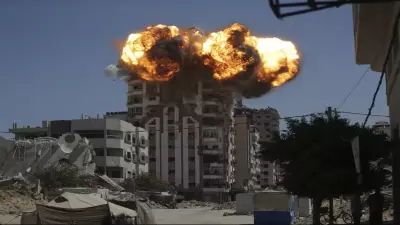
According to official statements, the precision strikes were executed late on Friday. The primary target was an ISIS operational headquarters and a weapons storage facility located in eastern Syria. CENTCOM emphasized that the strikes were necessary to degrade the terrorist group's capabilities and disrupt its planning for future attacks.
The operation was described as a retaliatory measure. It comes in the wake of a series of drone and rocket attacks on US and coalition bases in Iraq and Syria over the past week. American officials have pointed the finger at Iran-backed militias for orchestrating these provocations, which have intensified regional tensions.

Context and Escalating Tensions
This military action is not an isolated event but part of a broader pattern of engagement. The United States maintains a contingent of approximately 900 troops in Syria. Their mission, conducted in partnership with the Syrian Democratic Forces (SDF), is focused on the continued campaign against the remnants of ISIS and preventing the group's resurgence.
The environment for these forces has grown increasingly perilous. The recent attacks on US positions underscore the complex and volatile security landscape, where operations against jihadist groups are complicated by the activities of Iran-aligned factions. The Pentagon has consistently stated that it reserves the right to defend its personnel and will respond decisively to any threats.
Implications and the Road Ahead
The latest strikes highlight the United States' ongoing commitment to its counter-terrorism objectives in Syria, even as it navigates other regional challenges. By targeting ISIS infrastructure, the US aims to deliver a clear message about its resolve to protect its assets and maintain pressure on terrorist networks.
However, this move also risks further escalating hostilities with Iran-aligned groups operating in the area. The situation presents a delicate balancing act for US policymakers, who must address immediate threats while managing the potential for a wider conflict. The coming days will be critical in assessing whether this show of force deters further attacks or provokes a new cycle of retaliation.
Military analysts suggest that while the immediate goal of degrading ISIS capabilities may be achieved, the long-term stability of the region remains uncertain. The presence of multiple armed actors with competing interests ensures that Syria will continue to be a focal point of international security concerns.