

High-level diplomatic talks in Berlin have injected a cautious dose of optimism into the protracted Ukraine conflict, with American and European leaders announcing a significant alignment on a future security framework for Kyiv. However, the proposed "platinum-standard" guarantees remain fraught with unanswered questions and face the formidable obstacle of Russian acceptance.
The Berlin Consensus: A Framework for Post-War Security
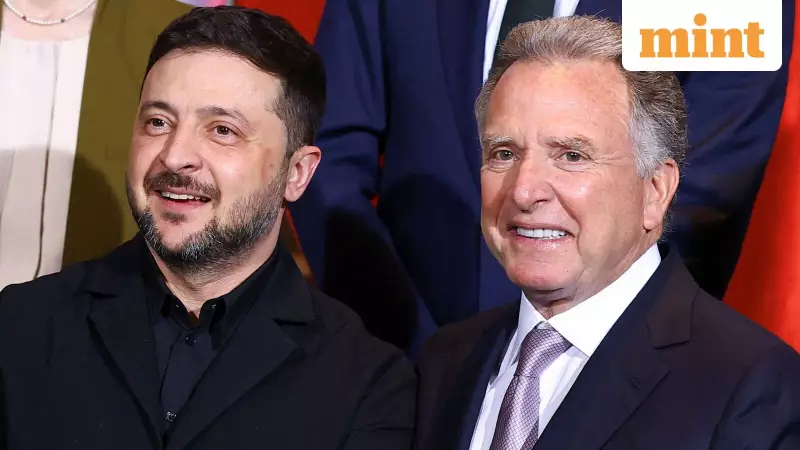
After two days of intensive discussions concluding on December 17, 2025, Ukrainian President Volodymyr Zelensky, alongside American envoys Steve Witkoff and Jared Kushner, and European leaders, announced a convergence on a package of support. The core of the proposal involves NATO-like security guarantees and a substantial economic support package for Ukraine, but only after active hostilities cease.
President Zelensky expressed relief at the Western unity, stating, "we've agreed on 90% of the issues," a welcome shift after recent tensions. The proposed security model, while not offering NATO membership, would mirror the alliance's Article 5 principle. It pledges that an armed attack on Ukraine would be treated as an attack on all guarantor nations, potentially triggering a collective response that "may include armed force, intelligence and logistical assistance, economic and diplomatic actions."

Devil in the Details: Unclear Commitments and Russian Assets
Despite the bold language, critical specifics are undefined. American officials clarified there would be no US boots on the ground for permanent deployment, contrasting with NATO's integrated military structure. The guarantees, which the Trump administration is reportedly ready to submit to the US Senate, were not specified as a binding treaty. European nations are expected to form a "coalition of the willing" to assist Ukraine's 800,000-strong military, with US backing.
On the economic front, a reconstruction plan is being drafted by the World Bank and BlackRock, financed largely by Europe. A major point of contention is the use of €210 billion ($247bn) in frozen Russian assets. The EU is considering a "reparations loan" of up to €90 billion for Ukraine by 2027, but faces internal dissent, notably from Belgium. While Ukraine and Europe push to use these funds, the US position is softer, with earlier proposals even suggesting using some assets for US-Russia projects.
The Russian Equation and a Fragile Path Forward
The most significant hurdle is Moscow. The proposals have not yet been presented to Russia, which is certain to object, particularly to Western security guarantees on Ukrainian soil. The trickiest issue remains territory, specifically Russia's demand for all of the Donbas. US officials have floated the idea of a "free economic zone" in contested areas, but Zelensky insists Ukraine will not cede sovereignty.
American envoys seem to bet on future business deals to cement peace. However, this approach raises doubts about Washington's broader commitment. As one former US ambassador to NATO noted, the proposals might be more about "trying to please Trump, not to get to a real deal." With President Vladimir Putin's true intentions unknown, the ball is now in Russia's court. The hope for a Christmas ceasefire, akin to the brief 1914 WWI truce, appears distant, underscoring that the Berlin progress, while diplomatically notable, is built on an unstable foundation.






