

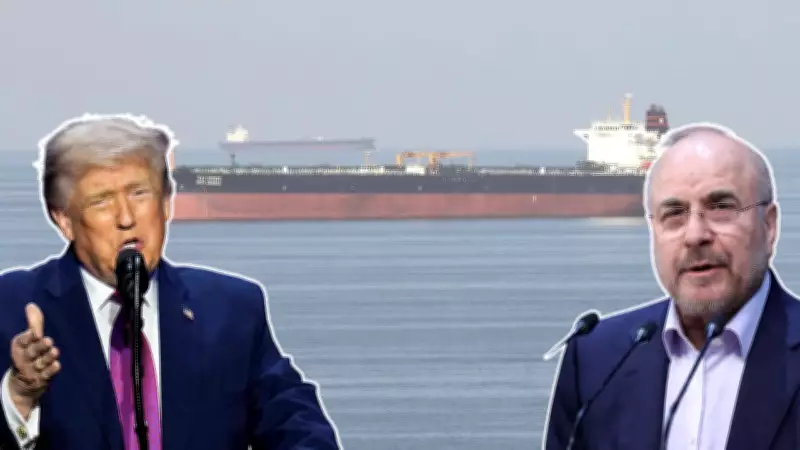
The conflict involving Iran, the United States, and Israel has entered a volatile phase marked by hardening positions and continued diplomatic maneuvering. US President Donald Trump has ruled out sending a US delegation for in-person truce talks, stating that any further engagement with Tehran would take place remotely. 'If they wanna talk, they can come to us or they can call us. We are not sending people to travel 18 hours to meet,' Trump told Fox News. He added that Pakistan would remain involved in facilitating communication, saying, 'They'll stay involved — but we're gonna do it by telephone.' Reiterating Washington's stance, he said, 'They cannot have a nuclear weapon. Otherwise there's no reason to meet.'
Iranian Foreign Minister Araghchi Intensifies Diplomacy
Amid these developments, Iranian Foreign Minister Abbas Araghchi has stepped up regional diplomacy. After visits to Oman and Pakistan, he traveled onward to Russia, with a stop at Nur Khan Airbase near Islamabad described as a brief transit. His engagements in Pakistan included discussions with leadership and the presentation of a framework aimed at 'permanently ending' the conflict. His return visit is seen as part of efforts to sustain US-Iran peace talks despite the cancellation of planned US participation.
Meeting with Putin in Saint Petersburg
In Moscow, President Vladimir Putin is set to meet Araghchi, with talks expected to cover negotiations, ceasefire efforts, and wider regional developments. Kremlin spokesman Dmitry Peskov confirmed the meeting, while Iran's ambassador Kazem Jalali said discussions would focus on 'the latest status of the negotiations, ceasefire, and surrounding developments.' The meeting takes place in Saint Petersburg, as confirmed by Jalali.

Iran Issues Strong Warning Over Energy Infrastructure
At the same time, Iran has issued a strong warning over its energy sector. Vice President Esmail Saghab Esfahani said Tehran would retaliate against countries backing any damage to its infrastructure. 'If any part of our infrastructure, including oil wells, is damaged as a result of a blockade, we guarantee that four times that damage will be inflicted on the same infrastructure in countries that support the aggressor,' he said. 'Our math is different; one oil well equals four oil wells.'
The warning followed Trump's remarks that sustained pressure could disrupt Iran's oil transfers, pushing pipelines towards a critical point within days. He also claimed Iran's military capabilities had been significantly weakened and expressed confidence about the outcome of the conflict.
Diplomatic Channels Remain Active but Uncertain
Diplomatic channels remain active but uncertain. Reports suggest Iran has conveyed a proposal via Pakistani intermediaries to reopen the Strait of Hormuz and end hostilities, with nuclear negotiations deferred. However, no second round of direct talks between Washington and Tehran has taken place despite a ceasefire in effect for over two weeks.
Iran's 'Red Lines' Communicated to US
Iran has conveyed its 'red lines' to the United States through messages relayed by Araghchi via Pakistan, according to Iranian state media. The messages outline areas Tehran is unwilling to compromise on, including its nuclear program and the Strait of Hormuz. The Fars News Agency reported that 'these messages concern some of the Islamic Republic of Iran's red lines including nuclear issues and the Strait of Hormuz.' The report clarified that the communication is 'unrelated to negotiations' and is instead 'considered an initiative by Iran to clarify the regional situation.'
Regional Tensions Persist
Elsewhere, tensions persist across the region. The Israeli military reported the death of a soldier in southern Lebanon despite an ongoing ceasefire, while continuing strikes on what it described as Hezbollah targets. In Israel, the Supreme Court has ordered penalties for ultra-Orthodox Jews who refuse military service, adding to domestic political pressures on Prime Minister Benjamin Netanyahu.
With diplomacy, military activity, and political developments unfolding simultaneously, the situation remains highly fluid. Stay with us for the latest updates on the Iran war.






