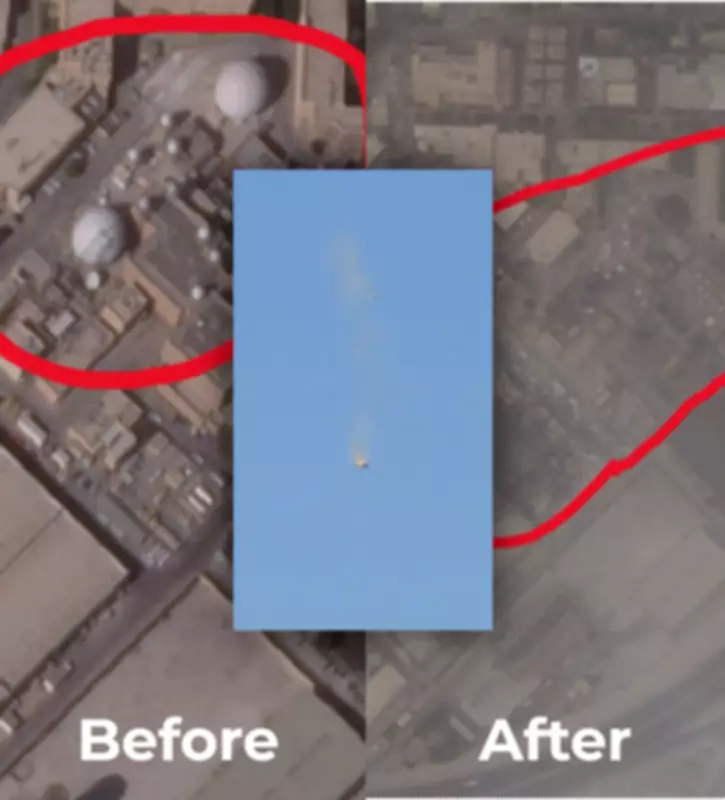
US Military Assets Worth $5 Billion Destroyed in Conflict with Iran
Since the joint United States and Israeli offensive commenced on February 28, 2026, the Pentagon has been confronted with a stark and uncomfortable reality. Despite possessing overwhelming military superiority, several of its most advanced and costly platforms have been severely damaged or completely destroyed. These losses, which include high-value assets like fighter jets, aerial refueling tanker planes, and sophisticated radar systems, have resulted in an estimated financial toll of approximately $5 billion.
Iran's Cost-Effective "Swarm-and-Strike" Strategy
A central component of Iran's retaliatory approach has been the deployment of inexpensive unmanned aerial vehicles, notably the Shahed-136. These loitering munitions, each estimated to cost a mere $20,000 to $50,000, are relatively simple in design but prove highly effective when utilized in large, coordinated numbers. The strategy, often described as a "swarm-and-strike" tactic, involves saturating air defenses with multiple low-cost drones to overwhelm and penetrate protective systems.
While these drones are technologically basic, intercepting them necessitates the use of far more sophisticated and expensive weaponry. This creates a significant cost asymmetry, where defending against each cheap drone may require missiles or systems that cost hundreds of thousands or even millions of dollars. The Pentagon has attributed some of the losses directly to these Iranian tactics, while other damages have been classified under the broader category of "combat-related incidents" during the ongoing offensive.

Analysis of the Tactical and Financial Impact
The destruction of such high-value assets raises serious questions about the sustainability and cost-effectiveness of modern warfare against asymmetric threats. The loss of fighter jets, which are pivotal for air superiority and strike missions, alongside tanker planes essential for extended operations, represents a substantial operational setback. Similarly, the damage to advanced radar systems compromises situational awareness and early warning capabilities.
This development underscores a critical vulnerability in relying solely on expensive, high-tech platforms without adequate countermeasures for swarm tactics. Military analysts are now closely examining how to better integrate layered defense systems, electronic warfare, and cost-effective intercept solutions to mitigate such threats in future conflicts.