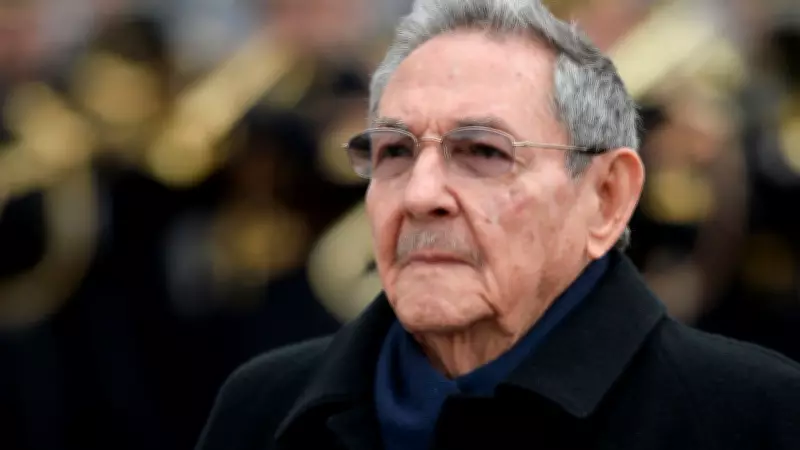
The United States is preparing to indict former Cuban President Raúl Castro for his alleged role in the 1996 shootdown of two civilian planes operated by the exile group Brothers to the Rescue, according to a US Department of Justice official. The official, speaking to Reuters on condition of anonymity late on Thursday, said the indictment would require approval from a grand jury but described the move as imminent.
Background of the Incident
The case revolves around Cuba's 1996 downing of two aircraft belonging to Brothers to the Rescue, a humanitarian organization based in Florida. The incident has remained a significant source of tension between Washington and Havana for nearly three decades, with US officials persistently seeking criminal accountability. Republican lawmakers have accused Raúl Castro, the younger brother of Fidel Castro, of being involved in the shootdown.
Legal and Diplomatic Developments
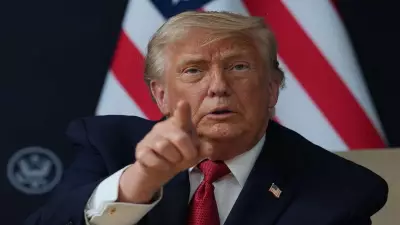
The US Attorney's Office for the Southern District of Florida has been investigating potential criminal charges against senior Cuban government officials. News of the possible indictment emerged hours after CIA Director John Ratcliffe led a delegation to Havana on Thursday to deliver a message from US President Donald Trump to Cuban officials, including Raúl Castro's grandson, Raúl Guillermo Rodriguez Castro. Both countries had acknowledged talks earlier this year, but negotiations appeared to falter amid ongoing US pressure on Cuba's fuel supplies. A CIA official stated that Ratcliffe informed Cuban intelligence officials that the US was willing to engage on economic security issues if Cuba implements fundamental changes.

Increased US Pressure on Cuba
The potential indictment coincides with the Trump administration's intensified sanctions and warnings against countries supplying fuel to Cuba. These measures have contributed to power outages and further strained Cuba's economy. On May 1, President Trump declared at the Forum Club of the Palm Beaches Dinner that the US would take over Cuba almost immediately, citing the island's problems. He also signed an executive order expanding sanctions on the Cuban government.
Cuba's Response
Cuba strongly rejected the new sanctions, labeling them unilateral coercive measures aimed at imposing collective punishment on the Cuban people. Foreign Minister Bruno Rodríguez Parrilla condemned the measures as extraterritorial in nature and in violation of the United Nations Charter, asserting that the US has no right to impose such actions against Cuba or third countries.
About the Author: TOI World Desk - At TOI World Desk, our dedicated team of seasoned journalists and passionate writers tirelessly sifts through the vast tapestry of global events to bring you the latest news and diverse perspectives round the clock. With an unwavering commitment to accuracy, depth, and timeliness, we strive to keep you informed about the ever-evolving world, delivering a nuanced understanding of international affairs to our readers. Join us on a journey across continents as we unravel the stories that shape our interconnected world.