U.S. Forces Withdraw from Third Middle East Base Amid Rising Iran Tensions
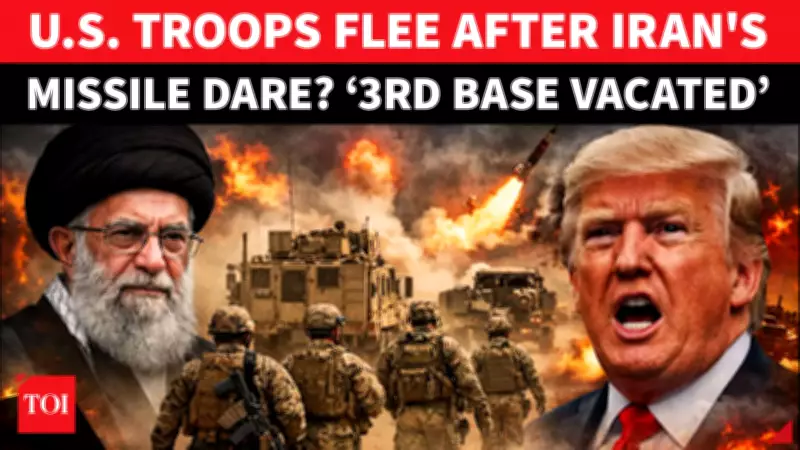
In a significant development, American troops have initiated a withdrawal from the Qasrak base located in Syria's Hasakah province. This move represents the third such exit of U.S. forces from a Middle Eastern military installation within a matter of weeks, signaling a profound strategic recalibration by Washington as tensions with Iran continue to escalate.
Details of the Withdrawal and Regional Repositioning
According to confirmed reports, convoys comprising armored vehicles have been observed departing the Qasrak base, with their trajectory directed toward neighboring Iraq. This withdrawal follows closely on the heels of earlier American exits from other key installations in the region, including the Al-Tanf base. Military analysts and regional observers suggest that a complete U.S. withdrawal from Syrian territory could potentially be finalized within the next month, marking a rapid and decisive shift in American military posture in the area.
The strategic repositioning is not limited to ground forces in Syria. Significant adjustments are also being implemented at other critical regional hubs, such as the Al Udeid Air Base in Qatar. These coordinated movements underscore a broader, comprehensive reassessment of U.S. military strategy and footprint across the Middle East.

Escalating Tensions and the Evolving Power Balance
This drawdown of American forces occurs against a backdrop of intensifying friction between the United States and Iran. The geopolitical landscape of the Middle East is in a state of flux, with the reduction of the U.S. military presence creating a vacuum that regional powers and international actors are keenly observing. Both longstanding allies and potential adversaries are closely monitoring these developments, as the balance of power in one of the world's most volatile regions begins to evolve in real-time.
The withdrawal from Qasrak, following the earlier exits, raises critical questions about the future of security arrangements, counter-terrorism operations, and diplomatic leverage in Syria and the wider Middle East. As Washington recalibrates its commitments, the actions of nations like Iran, Russia, and local actors will likely fill the space, potentially leading to a new and unpredictable regional power map.