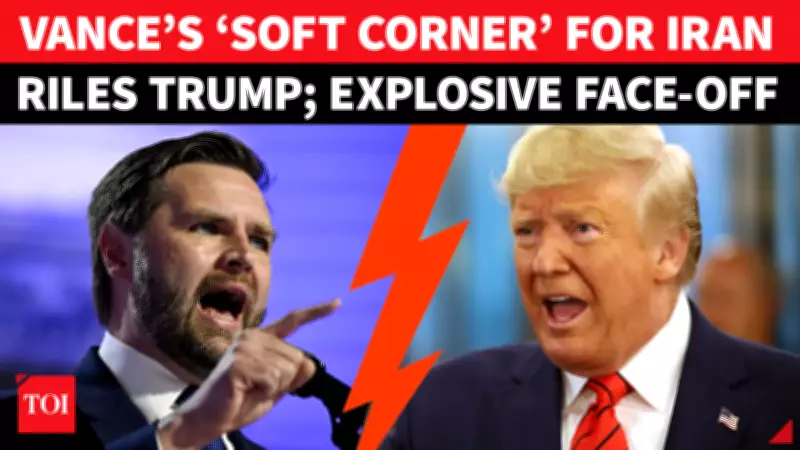
US Vice President JD Vance reportedly clashed with President Donald Trump during a heated White House debate over whether to strike Iran or continue peace talks. According to reports, Vance pushed for diplomacy after Iran presented a new proposal, while top U.S. officials argued for tougher pressure and possible military action. Gulf nations including Saudi Arabia and Qatar reportedly urged restraint as fears of a wider Middle East war continue to grow. Trump ultimately chose to delay military action and allow negotiations to continue — for now.
Background of the Tensions
The reported clash comes amid escalating tensions between the United States and Iran, with both sides exchanging threats and military posturing. The White House has been divided on the best course of action, with some advisers advocating for a strong military response to perceived Iranian provocations, while others, including Vance, emphasize the importance of diplomatic engagement.
Vance's Position
According to sources, Vice President Vance argued that a military strike could lead to a broader conflict in the Middle East, potentially drawing in regional powers and causing significant casualties. He highlighted Iran's new proposal as a potential breakthrough that should be explored before any military action is considered.

Opposing Views
On the other side, senior U.S. officials, including Secretary of State and Defense Department representatives, pushed for a more aggressive stance. They argued that Iran's proposal was a stalling tactic and that only a show of force would compel Tehran to comply with U.S. demands. Some officials even suggested that a limited strike could deter future aggression.
Regional Concerns
Gulf nations, particularly Saudi Arabia and Qatar, have been urging restraint, fearing that any military confrontation could destabilize the region and disrupt oil supplies. Diplomatic channels have been active, with these countries offering to mediate between Washington and Tehran.
Trump's Decision
President Trump, after hearing both sides, decided to delay any military action and allow negotiations to proceed for the time being. However, sources indicate that this is not a final decision and that the situation remains fluid. The White House is monitoring Iran's next moves closely.
Implications
The reported clash highlights the deep divisions within the Trump administration over foreign policy, particularly regarding Iran. It also underscores the complex geopolitical landscape, where military action could have far-reaching consequences. For now, the diplomatic path remains open, but the threat of conflict looms large.