

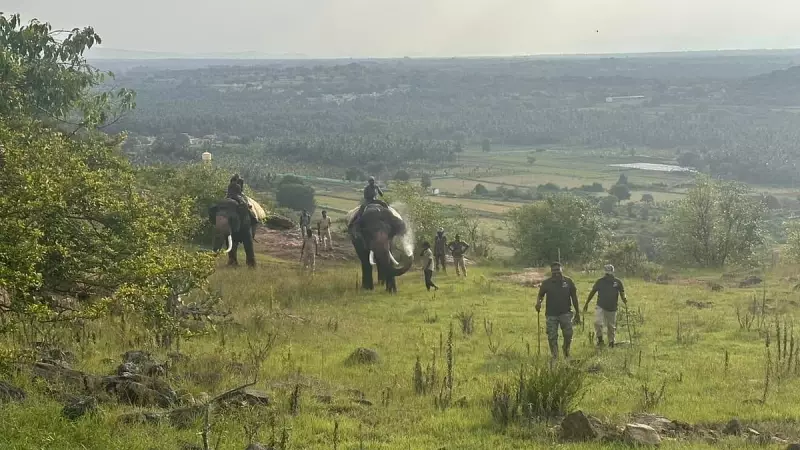
Karnataka is facing a new and complex challenge born from its own conservation success. Decades of rigid protection for wildlife areas and strict enforcement have led to a significant rebound in animal populations. However, this victory is now clashing with a harsh reality: the buffers between these protected zones and human settlements are shrinking, leading to a dangerous surge in conflicts.
The Double-Edged Sword of Conservation Success
For years, the state's forest department has implemented stringent measures within its network of protected areas, including national parks and wildlife sanctuaries. This approach, involving the creation of inviolate spaces and rigorous patrolling, has been hailed as a major achievement. The department rightly claims a "success" story in terms of rebounding populations of various wildlife species. Animals that were once under severe threat have found a safer haven, allowing their numbers to grow steadily.
Yet, this ecological triumph is unfolding within a landscape where human pressure is also intensifying. Villages and agricultural lands often lie right at the edges of these protected zones. The natural corridors and buffer forests that once allowed animals to move without entering human domains are now degraded, fragmented, or have disappeared entirely. As wildlife numbers increase inside the parks, animals are inevitably spilling over into nearby farms and villages in search of food, water, and territory.

Shrinking Buffers, Rising Tensions
The core of the problem lies in the shrinking buffer zones. These critical areas act as a cushion, reducing direct encounters between people and animals. With development, infrastructure projects, and expanding farmlands encroaching on these buffers, the line between the wild and the human world has blurred. The result is a sharp rise in incidents involving elephants raiding crops, leopards preying on livestock, and even big cats straying into human habitations, posing direct threats to lives.
This creates a paradoxical situation where the very success of conservation policies is leading to increased hardship for local communities. Farmers see their hard work destroyed overnight, and families live in fear of dangerous encounters. The situation, as highlighted in reports, underscores a critical gap in long-term planning: protecting animals inside a park is only half the solution. Ensuring peaceful coexistence in the surrounding landscapes is the other, more difficult half.
Seeking Solutions Beyond Park Boundaries
The escalating conflict, detailed by journalist Chiranjeevi Kulkarni and reported on 06 December 2025, signals an urgent need for a policy shift. Conservation strategies must now look beyond the fence. Experts suggest that sustainable solutions require:
- Strengthening and legally securing ecological corridors to allow safe animal passage.
- Investing in community-based conflict mitigation measures like solar fences, early warning systems, and prompt compensation.
- Integrating landscape-level planning that considers both wildlife needs and human development.
The story from Karnataka is a microcosm of a larger issue facing India's wildlife hotspots. It presents a crucial lesson: true conservation success is not measured by animal numbers alone, but by the ability to foster harmony between thriving ecosystems and the communities that border them. The next chapter of Karnataka's wildlife story will depend on how effectively it manages this delicate balance.






