Recent diplomatic moves suggest a cooling of tensions between Gulf allies Saudi Arabia and the United Arab Emirates (UAE) over the war in Yemen. However, regional experts are sounding a note of caution, warning that the conflict may simply be entering a new, more insidious phase: that of a proxy war.
From Direct Confrontation to Indirect Engagement
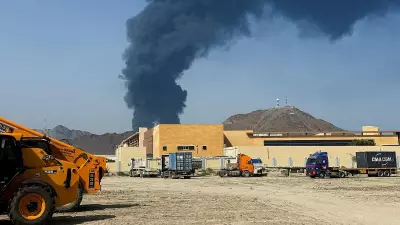
The friction between Riyadh and Abu Dhabi surfaced openly in late December 2024. Saudi forces attacked a shipment they believed contained weapons and vehicles from the UAE destined for Yemen's separatist group, the Southern Transitional Council (STC). This incident came on the heels of the UAE-backed STC capturing two key southern provinces, Hadramout and Al-Mahra, in December.
The immediate crisis appeared to dissipate after the UAE agreed to withdraw its remaining forces from Yemen, allowing Saudi-aligned Yemeni government troops to enter the disputed territories. Yet, this surface-level detente masks a potentially dangerous shift in strategy.

Farea Al-Muslimi, a Gulf and Yemen researcher at Chatham House, argues that the UAE's role is transitioning from direct military intervention to sponsoring a proxy war. "Proxy wars are, in many ways, more destructive than direct wars," he noted in a social media post, casting doubt on the longevity of the current calm.
What Exactly is a Proxy War?
A proxy war involves the indirect intervention of an external power in an existing conflict to sway its outcome. It is typically characterized by a relationship between a benefactor—a state or non-state actor outside the immediate conflict—and local proxies who receive weapons, funding, and training to fight on the benefactor's behalf.
States often resort to this model when a conventional, direct war is too costly or risky, perhaps due to the threat of nuclear escalation. Former US President Dwight D. Eisenhower famously called proxy wars "the cheapest insurance in the world." Professor Andrew Mumford highlights the "alluring combination of 'plausible deniability' and lower risk" that makes this approach attractive to governments.
While the Cold War era witnessed some of history's most devastating proxy conflicts, the practice has persisted, evolving into a more complex, regionalized, and multilateral form in the contemporary landscape.
The Yemen Theatre and the Perils of Proxy Dynamics
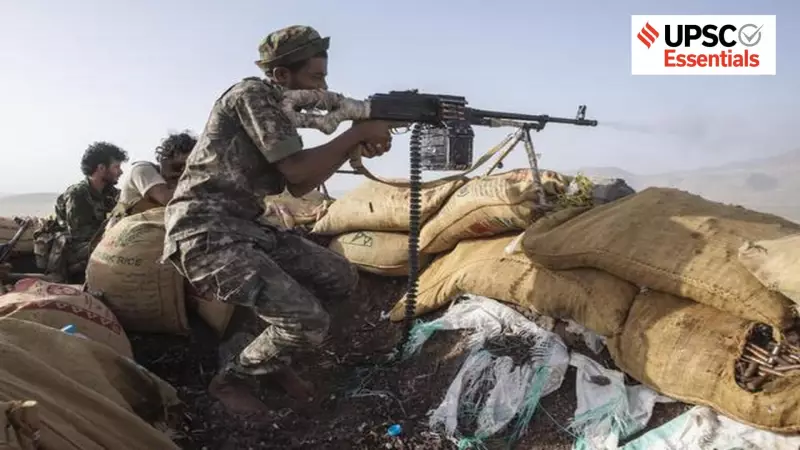
Yemen has long been a primary theatre for proxy competition, with regional and global powers backing different factions. The Saudi-led coalition supports the internationally recognized government, while Iran backs the Houthi rebels. The recent UAE-STC alliance introduces another layer to this already complicated battlefield.
Scholars point out that the relationship between a benefactor and its proxy is often fraught and unpredictable. As analyst Lionel Beehner notes in his work, proxies can shift allegiances based on the flow of support. Furthermore, proxies can manipulate their sponsors by exaggerating threats to secure more resources, a tactic seen when former Syrian President Bashar al-Assad highlighted jihadist threats to draw increased aid from Iran and Russia.
The protracted and bloody conflict in Syria, which saw Assad's government finally fall in December 2024, stands as a stark reminder of how proxy warfare can prolong suffering and produce unexpected outcomes. This history invites sober speculation about Yemen's future, especially given the emerging cracks within the Saudi-led coalition.
The easing of direct Saudi-UAE tensions may have temporarily averted a crisis between the allies, but it risks plunging Yemen into a new chapter of conflict—one fought by proxies, with even greater opacity and potential for destruction. The world will be watching to see if the latest diplomatic maneuvers lead to peace or merely a more shadowy form of war.