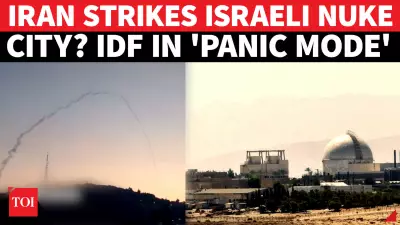
Israel Reports Second Attack from Yemen as Middle East Conflict Escalates
Israel has confirmed a second attack originating from Yemen, signaling a significant escalation in the ongoing Middle East conflict. This latest incident underscores the broadening scope of regional tensions, with security threats now extending beyond traditional flashpoints to involve multiple actors across the area.
Details of the Attack and Regional Implications
The attack, which targeted Israeli territory, was reportedly carried out by forces based in Yemen, though specific details about the perpetrators and the exact nature of the strike remain under investigation by Israeli authorities. This event follows a previous similar incident, highlighting a pattern of aggression that is raising alarms about the stability of the Middle East.
Israeli officials have expressed grave concern over these developments, noting that such attacks represent a direct threat to national security and could potentially draw in other regional powers, further complicating an already volatile situation. The involvement of Yemen-based groups suggests that the conflict is no longer confined to immediate neighbors but is spreading across the region.

Broader Context of Middle East Tensions
This escalation occurs against a backdrop of heightened tensions in the Middle East, where longstanding disputes and recent geopolitical shifts have created a fragile security environment. The attack from Yemen is seen as part of a larger trend of proxy conflicts and asymmetric warfare that characterizes modern regional strife.
Analysts warn that such incidents could trigger a chain reaction, leading to increased military posturing and potential retaliatory measures from Israel and its allies. The international community is closely monitoring the situation, with calls for de-escalation and diplomatic efforts to prevent a full-blown crisis.
Impact on Regional Security and Future Outlook
The repeated attacks from Yemen pose serious challenges to regional security, as they demonstrate the ability of non-state actors or distant forces to project power and influence events far from their home bases. This dynamic complicates traditional defense strategies and requires a reassessment of security protocols by affected nations.
- Increased vigilance and defensive measures by Israeli security forces.
- Potential for broader international involvement to mediate or contain the conflict.
- Risks of further escalation if diplomatic solutions are not pursued aggressively.
As the Middle East conflict continues to evolve, the second attack from Yemen serves as a stark reminder of the interconnected nature of regional disputes and the urgent need for comprehensive peace initiatives. The coming days will be critical in determining whether this escalation can be contained or if it will spiral into a wider confrontation.