The fierce winds that whip through the treacherous Zoji La pass in Ladakh carry more than just ice and snow; they whisper tales of an extraordinary battle that secured India's future. For one family, the story of the 1948 Battle of Zoji La is not just a chapter in a history book, but a living, breathing lesson passed down through generations, preserved in fragile letters and profound personal loss.
A Father's Letters from the Frontlines
The narrative centers on the valiant actions of Brigadier Rajinder Singh, then a Lieutenant Colonel commanding the 1st Battalion, the Kumaon Regiment. In October 1948, the strategically vital Zoji La pass was under Pakistani control, blocking Indian access to Ladakh and threatening the region's sovereignty. The task of reclaiming it was deemed nearly impossible due to the high altitude, harsh weather, and heavily fortified enemy positions.
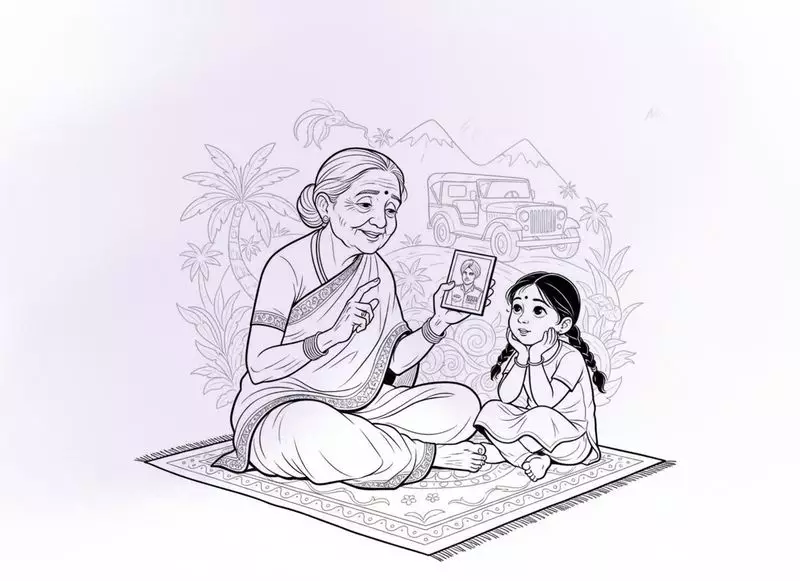
During this critical period, Brigadier Singh wrote regularly to his young son, Ranjit Singh, who was just five years old. These letters, filled with a father's affection and subtle allusions to the challenging mission, became priceless historical documents. They did not speak directly of war, but their very existence during such a tumultuous time adds a deeply human layer to the military campaign. The family preserved these communications, a tangible link to a defining moment.

The Daring Assault That Changed the Course of the War
The Indian Army's plan to retake Zoji La was audacious. Conventional infantry attacks had failed. The breakthrough came with a bold decision: to deploy Stuart light tanks of the 7th Cavalry in an environment where no armor had ever operated before. The pass, at over 11,500 feet, was considered impassable for tanks.
Under Brigadier Singh's leadership and meticulous planning, the tanks were dismantled, transported, and reassembled with incredible effort. On 1 November 1948, in a complete surprise attack supported by these tanks, Indian forces stormed the pass. The enemy, stunned by the appearance of armor in such terrain, was overwhelmed. The successful capture of Zoji La was a masterstroke of tactical innovation and sheer courage. It opened the road to Leh, ensured the survival of Ladakh, and proved decisive in the war.
For his exceptional leadership and bravery, Brigadier Rajinder Singh was awarded the Maha Vir Chakra (MVC), India's second-highest wartime gallantry award. The citation hailed his inspiring command and the successful execution of this high-risk operation.
A Legacy Etched in Memory and Stone
The personal cost of this victory was brought home to the Singh family shortly thereafter. Brigadier Singh, after his triumph at Zoji La, was tragically killed in action on 2 December 1948 in another sector of Jammu and Kashmir. The war hero's letters to his son became his final legacy.
His son, Ranjit Singh, grew up with these letters and the stories of his father's valor. He dedicated himself to preserving this history, ensuring that the lesson of Zoji La—one of determination, innovation, and sacrifice for the nation—was never forgotten. This family effort underscores how national history is often woven from personal stories of duty and remembrance.
The Battle of Zoji La remains a cornerstone in Indian military history, studied for its strategic brilliance. But beyond the tactics, it stands as a powerful human story. It reminds us that behind every historic victory are individuals with families, loves, and fears, whose personal sacrifices forge the destiny of a nation. The Singh family's cherished letters are a poignant testament to this truth, turning a military triumph into an enduring family lesson for all of India.