

The Catastrophic Pandemic That Reshaped Europe
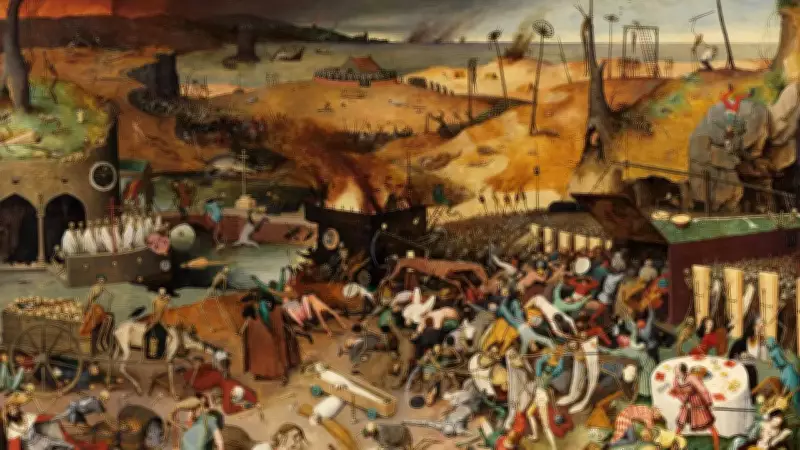
The Black Death, which ravaged Europe between 1347 and 1352, stands as one of history's most devastating demographic catastrophes. This bubonic plague pandemic, primarily caused by the bacterium Yersinia pestis, originated in Central Asia before spreading to Europe through established trade routes. According to historical estimates, the pandemic resulted in the deaths of 75 to 200 million people worldwide, with Europe suffering the loss of approximately half its population during what contemporaries called 'the great mortality.'
A Brutal Demographic Reset
The immediate impact of the Black Death was a period of extreme grief and profound social upheaval across the continent. However, the long-term effects proved even more transformative, creating what historians describe as a brutal 'reset button' for European society. This demographic contraction fundamentally altered multiple aspects of European civilization, including labor dynamics, religious institutions, and philosophical thought.
The Collapse of Feudalism and Rise of New Wealth
The plague's most immediate economic consequence was the destruction of Europe's manorial system. With the working population drastically reduced, the supply of human labor plummeted while its market value skyrocketed. Research from Brown University indicates that this unprecedented labor shortage provided serfs with unprecedented opportunities to negotiate for wages and social freedoms previously unimaginable under feudal structures.

This socio-economic mobility created an entirely new class of wealthy merchants and entrepreneurs. Families like the Medici emerged with substantial excess capital that would become instrumental in commissioning many of the Renaissance's greatest artistic achievements. The concentration of wealth in fewer hands, resulting from massive inheritance redistribution following plague deaths, created surplus capital that directly funded Florence's Golden Age and similar cultural explosions across Italy.
The Shift From Death to Life
Beyond economic transformations, the Black Death triggered a profound psychological and philosophical shift throughout European society. As medieval medicine and religious prayer proved utterly ineffective against the 'Great Mortality,' people began questioning ecclesiastical authority on an unprecedented scale. The erosion of the Church's monopoly over thought created an intellectual void that was gradually filled by the emerging Humanist movement.
According to analyses published by UEN Digital Press, this philosophical transition moved European consciousness away from the medieval focus on 'Memento Mori' (remember you will die) toward a new emphasis on how to live well before death. Humanism, with its promotion of reason, logic, and Ancient Greek and Roman wisdom, provided the philosophical foundation for the artistic and scientific achievements that would characterize the Renaissance.
From Despair to Cultural Rebirth
The wealthy classes that emerged from the plague's aftermath didn't merely hoard their new fortunes. Instead, they invested substantially in public buildings, private art collections, and civic improvements that transformed European cities. This concentration of wealth fueled a remarkable boom in civic architecture and artistic patronage that defined the Renaissance aesthetic.
Ultimately, the Renaissance transformed humanity's experience from the despair of mass death into an era of extraordinary creativity and achievement. The Black Death's paradoxical legacy demonstrates how catastrophic demographic contraction created the precise conditions necessary for Europe's cultural rebirth—destroying outdated feudal structures, creating new economic opportunities, and sparking philosophical revolutions that would shape Western civilization for centuries to come.

