

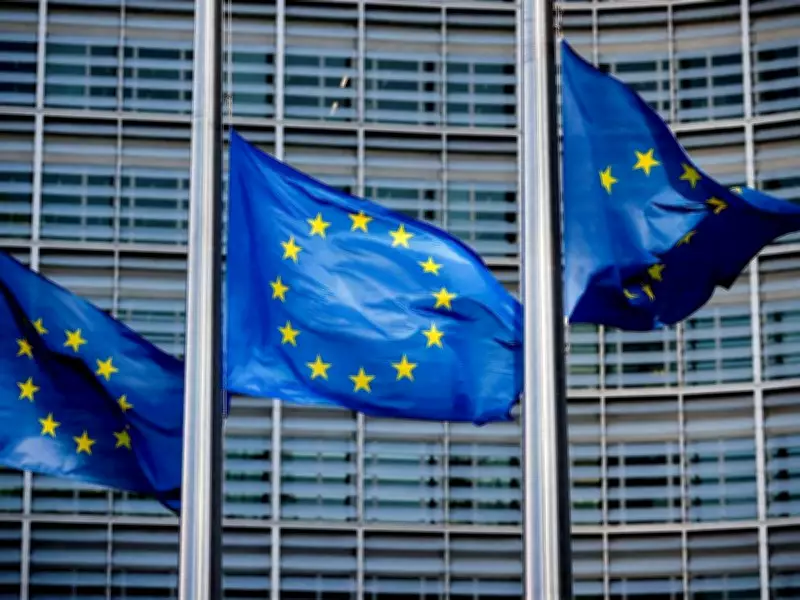
The European Union is actively exploring new strategies to enhance its defence readiness, focusing on collective security and rapid response capabilities. Amid growing global tensions, EU officials are considering a range of measures to bolster military preparedness and ensure the bloc can respond swiftly to emerging threats.
Key Initiatives Under Consideration
Proposals include increasing defence spending, improving coordination among member states, and developing joint military exercises. The EU aims to reduce reliance on external partners and build a more autonomous defence framework.
Enhanced Rapid Response Forces
One major focus is the creation of a dedicated rapid response force capable of deploying within days. This force would complement NATO's existing structures and address gaps in Europe's defence capabilities.

Investment in Defence Technology
The EU is also prioritizing investment in cutting-edge defence technologies, including cyber defence, artificial intelligence, and space-based surveillance systems. These technologies are seen as critical to maintaining a strategic edge.
Challenges and Criticisms
Despite broad support, the plans face challenges, including funding constraints and differing national priorities. Some member states worry about duplicating NATO efforts, while others emphasize the need for a stronger European pillar within the alliance.
EU leaders are expected to discuss these proposals at upcoming summits, with decisions likely to shape the bloc's security posture for years to come.

