

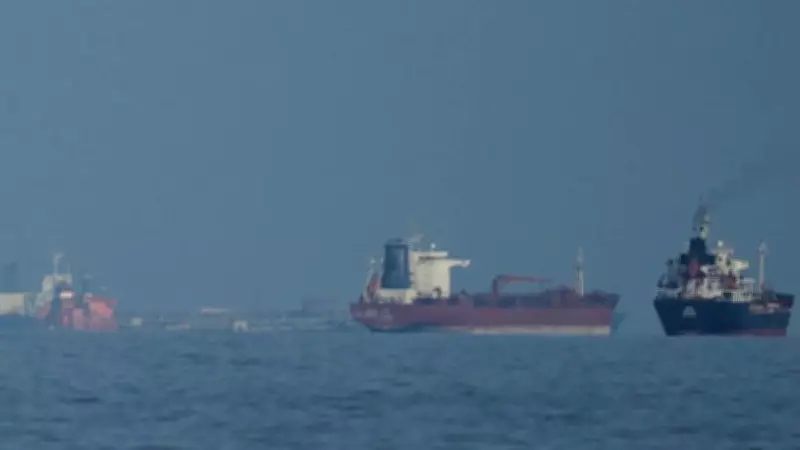
European Nations and Japan Unite to Safeguard Strait of Hormuz
In a significant development for global maritime security, European nations and Japan have made a firm commitment to support the safe passage of commercial vessels through the Strait of Hormuz. This strategic waterway, a vital chokepoint for international oil shipments, has been the site of escalating tensions due to recent actions by Iran.
Condemnation of Iran's Actions in the Critical Waterway
The collective statement from these nations strongly condemns Iran's activities in the Strait of Hormuz, which have raised serious concerns about the safety and freedom of navigation. The European Union and Japan emphasized that such actions pose a direct threat to global trade and energy security, given that approximately one-fifth of the world's oil passes through this narrow strait.
The pledge includes enhanced coordination and potential deployment of naval assets to monitor and protect shipping lanes. This move aims to deter further incidents and ensure that vessels can transit without fear of harassment or attack. The nations involved have called for diplomatic efforts to de-escalate the situation while maintaining their readiness to act in defense of maritime norms.

Implications for International Trade and Regional Stability
This joint vow underscores the growing international concern over stability in the Middle East, particularly in key maritime corridors. The Strait of Hormuz connects the Persian Gulf with the Gulf of Oman and the Arabian Sea, making it indispensable for the global energy supply chain. Disruptions here could lead to spikes in oil prices and economic instability worldwide.
The European and Japanese initiative reflects a broader strategy to uphold international law and protect commercial interests. By standing together, these nations send a clear message that unilateral actions threatening navigational freedom will not be tolerated. This development is likely to influence ongoing diplomatic talks and could shape future security arrangements in the region.
As tensions persist, the commitment from European nations and Japan highlights the importance of multilateral cooperation in addressing complex geopolitical challenges. The world will be watching closely to see how this pledge translates into concrete actions to safeguard one of the planet's most crucial waterways.

