

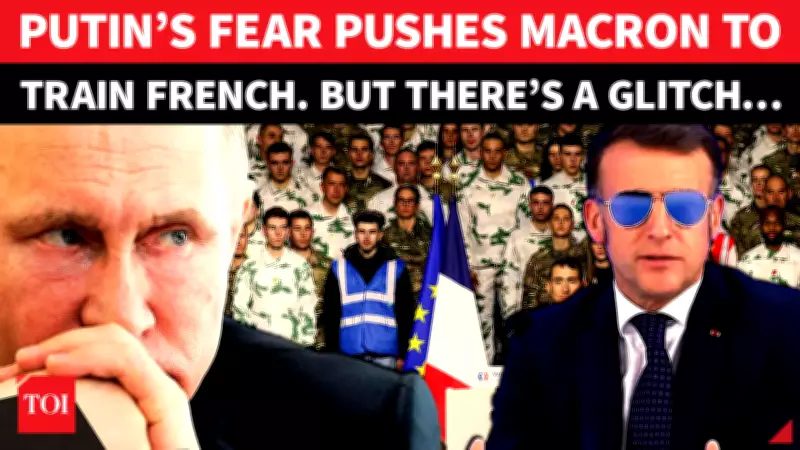
Macron's Military Mobilization Meets Youth Resistance Amid European Security Crisis
In a bold response to escalating security threats across Europe, French President Emmanuel Macron has unveiled a new voluntary military service program targeting young adults. This initiative comes as continental anxieties reach fever pitch over potential Russian aggression and uncertain long-term security commitments from the United States.
A 10-Month Paid Program for National Preparedness
The comprehensive 10-month paid program is designed to significantly strengthen France's armed forces readiness. It offers recruits extensive training and diverse operational roles, including critical disaster response capabilities and specialized counter-terrorism support functions. This strategic move represents a tangible component of Europe's broader pivot toward rearmament and heightened military preparedness.
European leaders are increasingly engaging in discreet preparations for worst-case geopolitical scenarios, reflecting a continent grappling with an increasingly volatile and unpredictable security environment. The French program symbolizes this continental shift toward self-reliance and enhanced defensive postures.

Youth Enlistment Marred by Deployment Refusals
Despite strong initial enrollment numbers, reports indicate a significant point of contention: many young recruits are enthusiastically joining the program but are simultaneously refusing potential deployment to active war zones or high-risk conflict areas. This selective participation has created operational challenges for military planners seeking to build a fully deployable reserve force.
This reluctance among youth to engage in direct combat situations has reportedly drawn mocking commentary from Russian President Vladimir Putin, who allegedly views the situation as indicative of Western weakness and lack of resolve. The apparent disconnect between recruitment goals and deployment willingness highlights complex societal attitudes toward modern military service among younger European generations.
Broader Implications for European Security Architecture
The French initiative occurs against a backdrop of profound transformation in European security thinking. With traditional alliances under strain and conventional threat assessments being rewritten, nations are pursuing more autonomous defense capabilities. France's program, while facing implementation hurdles, represents a significant test case for how democratic societies can cultivate military readiness while respecting individual choice.
As the security landscape continues to evolve, the success or failure of such voluntary programs will likely influence defense policies across multiple European capitals, potentially reshaping continental security paradigms for decades to come.

