

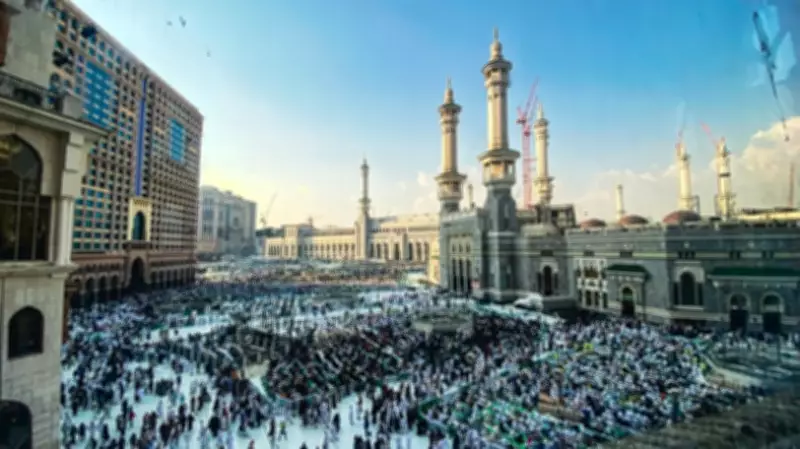
The annual Hajj pilgrimage to Mecca is one of the five pillars of Islam, a duty that every able-bodied Muslim who can afford it must perform at least once in their lifetime. While the physical rituals—circumambulating the Kaaba, standing at Arafat, and stoning the devil—are well-known, the deeper intellectual and spiritual dimensions of Hajj are often overlooked. This article argues that Hajj is not merely a physical journey but a profound call to think critically about one's faith, life, and society.
The Rituals as Symbols of Inner Transformation
The rituals of Hajj are rich with symbolism. The white garments worn by pilgrims, known as Ihram, strip away all distinctions of wealth, status, and nationality, reminding believers of their equality before God. This equality challenges pilgrims to reflect on social hierarchies and injustices in their daily lives. The circumambulation of the Kaaba, the House of God, symbolizes the unity of the Muslim community and the centrality of God in one's life. It encourages pilgrims to realign their priorities and focus on what truly matters.
Standing at Arafat: A Moment of Reckoning
The climax of Hajj is the Day of Arafat, when pilgrims stand in prayer and supplication from noon to sunset. This vigil is a powerful metaphor for the Day of Judgment, a time for self-accountability and repentance. It urges pilgrims to think deeply about their actions, intentions, and the legacy they wish to leave behind. This introspection is a courageous act, as it requires confronting one's shortcomings and seeking meaningful change.

Challenging Dogma and Embracing Critical Thought
Unfortunately, many pilgrims perform Hajj mechanically, focusing only on the outward rituals without engaging in the inner reflection they demand. This trend is partly due to a culture that discourages questioning and critical thinking in religious matters. However, the Quran itself repeatedly calls upon believers to reason, reflect, and ponder. Hajj provides a unique opportunity to break free from intellectual complacency and embrace a more thoughtful, nuanced understanding of faith.
The Courage to Think: A Call to Action
True pilgrimage requires courage—the courage to think independently, to question inherited beliefs, and to seek a deeper connection with God. It is a journey that should transform not only the pilgrim's spiritual life but also their intellectual and moral character. By engaging with the symbols and teachings of Hajj, pilgrims can return home as agents of positive change in their communities, embodying the values of justice, compassion, and humility.
In conclusion, Hajj is more than a ritual; it is a call to think. It invites believers to embark on a journey of self-discovery and intellectual awakening. As millions prepare for this sacred duty, they are reminded that the greatest pilgrimage is the one that challenges the mind and transforms the heart.

