

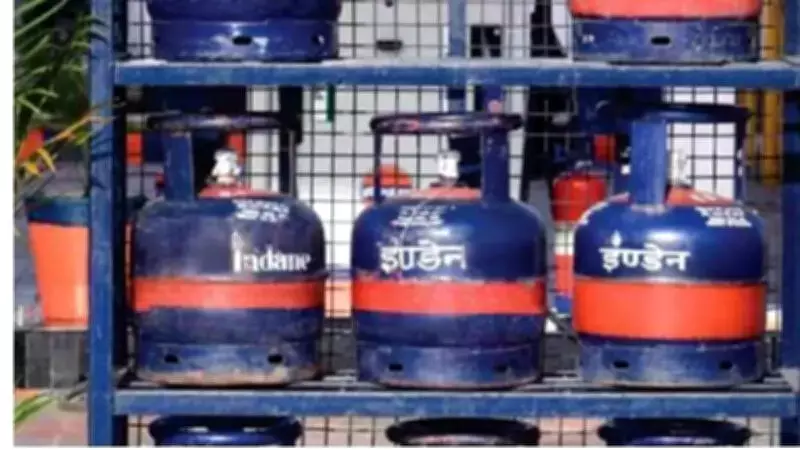
Mysuru: Since the outbreak of the West Asia conflict, food prices in most city hotels have increased by 20% to 30%. The worst affected are those who prefer north Indian and north Karnataka dishes, which require more fuel for preparation. While many items have been removed from menus, the rising prices are also pinching customers' pockets.
Impact on Customers
According to regular visitors to cafes and restaurants, the disruption in commercial LPG supply has led to higher food prices, with several items disappearing from menus. Many say the increase is forcing them to cut down on dining out. Shashank Pujari, a resident of TK Layout, said many popular food joints in the city have increased prices by up to 30% compared to January. "Everybody is justifying their decision by citing the LPG crisis," he said. "Even the popular jowar lunch has crossed the Rs 100-mark, even in small hotels. I think the government must intervene to support both the hotel industry and customers. The hotel industry has become essential for the working population."
Hotel Owners' Perspective
Hotel Owners' Association, Mysuru, president C Narayana Gowda said that the decision to revise prices rests with individual hotel owners. "Along with the record increase in commercial LPG prices, this month's power tariff was also revised from April. Considering all these factors, hotel owners are revising rates to keep their businesses afloat," he said.

Call for PNG Network Expansion
According to hotel industry stakeholders, only those hotels with piped natural gas (PNG) connections are currently able to withstand the price shock. They say the only solution is to expand the PNG network on a war footing. Hotelier Shiva Swaroop Urs said that even on Saturday, he bought a 19-kg commercial LPG cylinder for Rs 5,000. "If the PNG network had been expanded across the city earlier, we could have handled the situation more effectively. Now the district administration, MCC and other agencies must act fast," he urged. "Like water and power, LPG should also be considered an essential commodity," he added.

