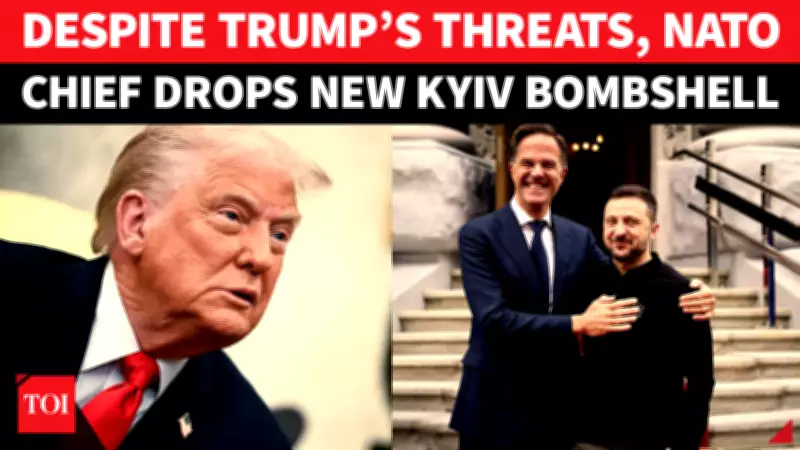
NATO Secretary-General Mark Rutte has reportedly proposed that alliance members allocate 0.25 percent of their gross domestic product to military aid for Ukraine, a move that could triple annual assistance to approximately 143 billion dollars. This ambitious funding push comes at a time when the United States is retreating from its financial commitments and Ukraine is grappling with major corruption investigations involving figures close to President Volodymyr Zelensky.
Details of the Proposal
According to sources within the alliance, Rutte's plan aims to secure long-term, predictable support for Kyiv as the war with Russia continues. The 0.25 percent GDP target would replace the current ad-hoc funding model, which has seen contributions fluctuate based on political will. If adopted, the new framework could provide Ukraine with a stable annual budget of over 140 billion dollars, significantly bolstering its defense capabilities.
US Aid Retreat
However, the proposal faces headwinds from Washington. The Pentagon’s draft budget for fiscal year 2027 reportedly removes all military aid funding for Ukraine, signaling a major shift in US policy. This retreat follows years of substantial American support, which has been a cornerstone of Ukraine's resistance against Russian aggression. The White House has not officially commented on the draft, but insiders suggest that domestic priorities and war fatigue are driving the decision.

Corruption Scandals in Ukraine
Compounding the challenges, Ukraine is embroiled in several high-profile corruption investigations. Recent probes have targeted individuals with close ties to President Zelensky, including officials in the defense ministry and energy sector. These scandals have raised concerns among Western allies about the effective use of aid funds. Critics argue that without robust anti-corruption measures, additional funding could be squandered.
Internal NATO Tensions
Reports also indicate that the White House has created a so-called “naughty and nice” list of NATO members based on their support during the Iran war. This classification has exposed deepening divisions within the alliance, with some members feeling alienated by US pressure. The list is said to influence diplomatic engagements and resource allocation, further complicating efforts to unite behind the Ukraine funding proposal.
Reactions and Outlook
European NATO members have expressed mixed reactions to Rutte's plan. While some, like Poland and the Baltic states, strongly endorse increased aid, others, including Germany and France, have called for greater scrutiny of Ukraine's governance. Meanwhile, Russia has condemned the proposal as a provocation, warning that it could escalate the conflict. The NATO summit scheduled for later this year is expected to be a critical battleground for these debates.
As the alliance navigates these turbulent waters, the fate of Ukraine's defense hangs in the balance. The combination of US disengagement, corruption allegations, and internal discord poses a significant test for NATO's cohesion and its commitment to supporting Kyiv.