

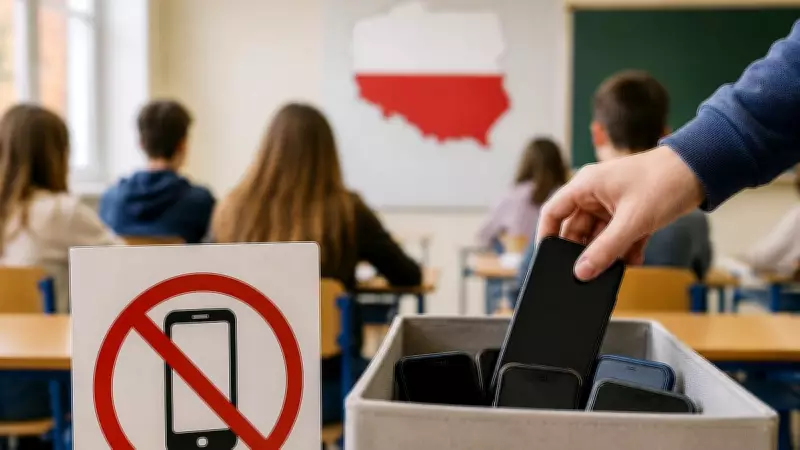
Poland has announced plans to ban the use of mobile phones in schools and impose stricter regulations on access to pornography, aiming to safeguard children's mental health and well-being. The new measures, unveiled by the Polish government, are part of a broader initiative to address growing concerns over digital addiction and exposure to harmful content among minors.
Phone Ban in Schools
Under the new policy, students will be prohibited from using mobile phones and other personal electronic devices during school hours, including breaks and lunch periods. Exceptions will be made for educational purposes under teacher supervision or for students with special medical needs. Schools will be required to provide secure storage for devices during the day. The ban is expected to take effect at the start of the next academic year.
Education Minister Przemysław Czarnek stated that the move is intended to reduce distractions, improve academic performance, and promote face-to-face social interactions among students. "We want to create a learning environment free from unnecessary digital interruptions," he said. "This will help children focus better and develop healthier social skills."

Restricting Pornography Access
Alongside the phone ban, Poland is tightening regulations on online pornography. The government plans to introduce age verification systems for adult content websites, requiring users to prove they are over 18 before accessing such material. Internet service providers will be mandated to block sites that fail to comply. Additionally, the distribution of pornography without explicit consent will be criminalized.
Deputy Prime Minister and Minister of Culture Piotr Gliński emphasized the need to protect minors from explicit content. "Exposure to pornography at a young age can have severe psychological consequences," he noted. "We are taking decisive action to shield our children from these harms."
Reactions and Implementation
The proposals have garnered mixed reactions. Parent groups and child advocacy organizations have largely welcomed the measures, citing studies linking smartphone use to anxiety, sleep deprivation, and cyberbullying. However, some educators and digital rights activists have raised concerns about enforcement and privacy implications. The Polish Ombudsman for Children has called for a balanced approach that respects children's rights while ensuring safety.
The government plans to launch a public awareness campaign to educate families about digital well-being. Schools will receive guidance and resources to implement the phone ban effectively. The pornography restrictions will be enforced through cooperation with internet service providers and international partners.
Poland joins a growing number of countries, including France and China, that have implemented or considered similar bans on phones in schools. The effectiveness of these policies remains a subject of ongoing debate among researchers and policymakers.

