

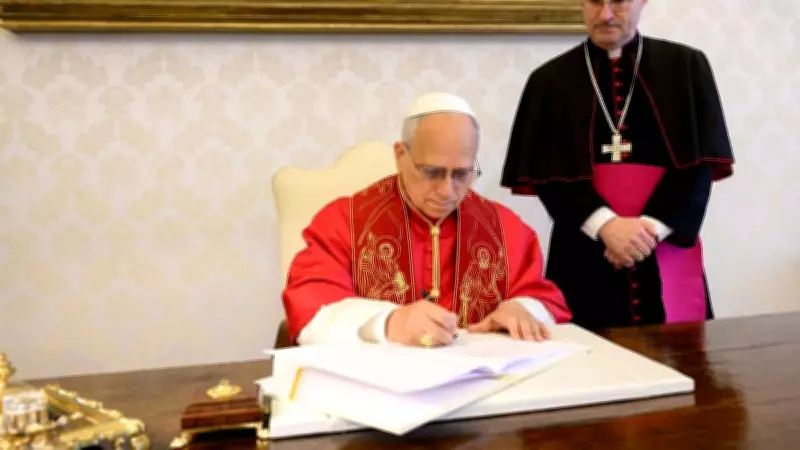
Pope Leo XIV issued a formal apology on Monday for the Catholic Church's historical role in the transatlantic slave trade, describing it as a "crime against humanity" and a "sin that cries out for repentance." The apology, delivered during a Mass at St. Peter's Basilica, marks a significant step in the Church's efforts to confront its past.
Historic Admission of Guilt
The pontiff acknowledged that Church institutions and clergy had actively participated in the enslavement of millions of Africans over centuries. "We cannot ignore the fact that many sons and daughters of the Church were complicit in this grave injustice," he said. "Today, we ask forgiveness for the sins of our predecessors and pledge to work for justice and reconciliation."
Reactions and Implications
The apology has been met with mixed reactions. Some descendants of enslaved people welcomed the gesture, while others called for concrete reparations. The Vatican has not announced any financial compensation but promised to open its archives for historical research and to support educational initiatives on the legacy of slavery.

This is the first time a pope has issued such a direct and comprehensive apology for the Church's role in slavery. Previous popes, including John Paul II and Francis, had expressed regret but stopped short of a full apology. Pope Leo's statement is seen as part of a broader effort to address historical wrongs and improve relations with African and Afro-descendant communities.
The transatlantic slave trade, which lasted from the 15th to the 19th century, forcibly transported an estimated 12.5 million Africans to the Americas. The Catholic Church, through its missionary orders and papal decrees, was deeply intertwined with colonial powers that profited from the trade.

