

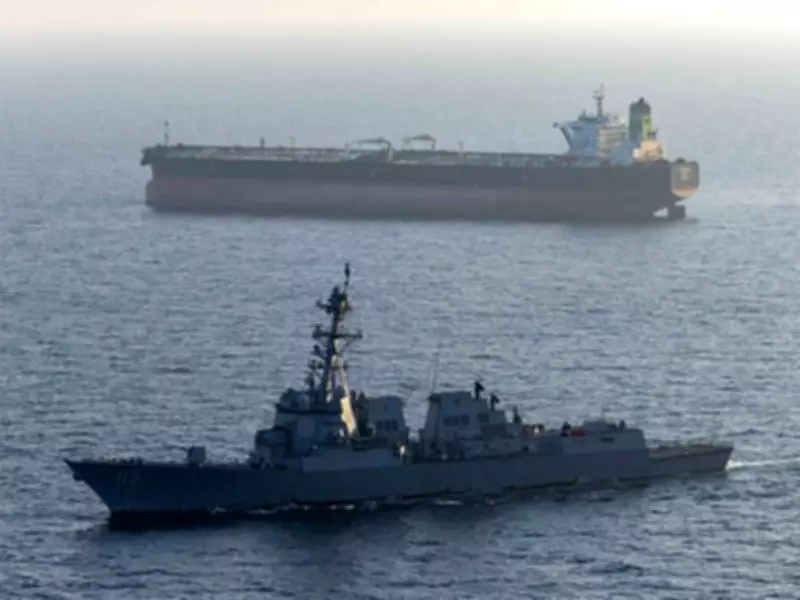
The United States has issued a stern warning to shipping companies, cautioning them that paying any form of toll to Iran for passage through the strategic Strait of Hormuz could lead to severe sanctions. This move marks an escalation in the ongoing tensions between Washington and Tehran over maritime security in the region.
Background of the Strait of Hormuz
The Strait of Hormuz is a narrow waterway connecting the Persian Gulf to the Gulf of Oman and the Arabian Sea. It is one of the world's most critical oil transit chokepoints, with about one-fifth of the global oil supply passing through it daily. Iran has previously threatened to disrupt shipping in the strait in response to US sanctions.
US Warning Details
The US Treasury Department's Office of Foreign Assets Control (OFAC) released an advisory explicitly stating that any payments made to Iranian authorities for safe passage through the strait could be viewed as providing financial support to a designated terrorist entity. The advisory warned that such payments would subject shippers to secondary sanctions, potentially cutting them off from the US financial system.

The warning comes amid reports that Iran has been demanding tolls from some vessels, claiming it is for providing security and navigational services. However, the US views these demands as extortion and a violation of international maritime law.
Reactions and Implications
Shipping companies and industry groups have expressed concern over the potential for confusion and disruption. The International Chamber of Shipping urged for clear guidelines to avoid inadvertent violations. Meanwhile, Iran dismissed the US warning, asserting its right to control its territorial waters.
Analysts believe this could further strain relations and increase insurance costs for vessels transiting the strait. The US has increased its naval presence in the region to ensure freedom of navigation.
Broader Context
This warning is part of a broader US strategy to exert maximum pressure on Iran, particularly regarding its nuclear program and regional activities. The Trump administration has reimposed sanctions lifted under the 2015 nuclear deal and has designated Iran's Islamic Revolutionary Guard Corps as a foreign terrorist organization.
The shipping industry is now advised to conduct due diligence and ensure compliance with US sanctions. Failure to do so could result in severe penalties, including asset freezes and exclusion from US markets.
In conclusion, the US warning adds a new layer of complexity for global shipping, with potential repercussions for global oil prices and maritime trade. Companies are urged to seek legal advice and monitor developments closely.

