

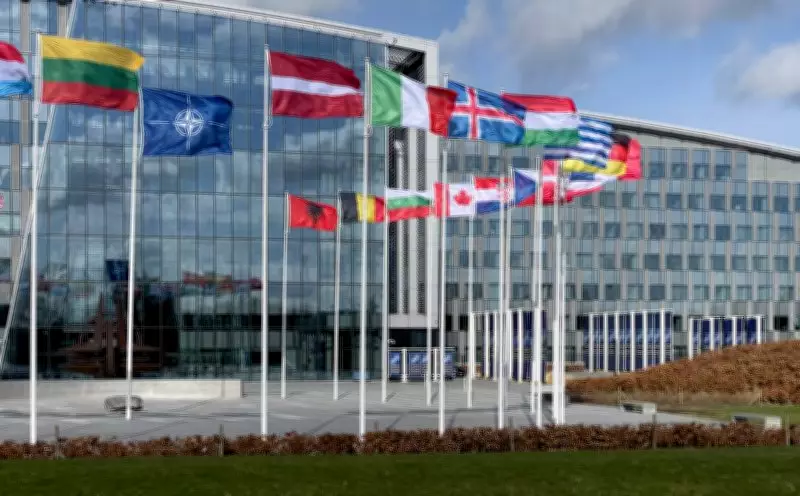
The North Atlantic Treaty Organization (NATO) has been a cornerstone of transatlantic security since its founding in 1949. However, recent political shifts in the United States have sparked debates about the possibility of a US exit from the alliance. Such a move would fundamentally alter NATO's structure, capabilities, and strategic direction.
Historical Context and Current Challenges
NATO was established to counter the Soviet threat during the Cold War. After the Cold War, it expanded eastward, incorporating former Warsaw Pact members. Today, the alliance faces new challenges, including Russian assertiveness, terrorism, and cyber threats. The US has been the dominant military power within NATO, contributing significantly to its budget and defense capabilities.
Potential Impacts of a US Withdrawal
If the US were to leave NATO, the alliance would lose its largest military contributor and its primary nuclear deterrent. European members would need to increase defense spending and develop independent capabilities. This could lead to a more fragmented security landscape, with some countries potentially seeking closer ties with other powers like China or Russia.

European Defense Autonomy
In response to a US exit, the European Union might accelerate its own defense integration. Initiatives like the European Defence Fund and Permanent Structured Cooperation (PESCO) could gain momentum. However, European nations currently lack the military infrastructure and political unity to replace US leadership entirely.
Geopolitical Repercussions
A US withdrawal would embolden adversaries like Russia, which could exploit divisions within Europe. It might also weaken the liberal international order and encourage other countries to pursue nuclear weapons. Conversely, it could reduce tensions in some regions if the US scales back its global military presence.
Conclusion
While a US exit from NATO is not imminent, the possibility forces a reevaluation of the alliance's purpose and structure. European nations must prepare for a scenario where they bear greater responsibility for their own defense, while the US may need to consider the long-term consequences of disengagement.

