EU Urges Member States to Reduce Gas Storage Targets Amid Iran War Report
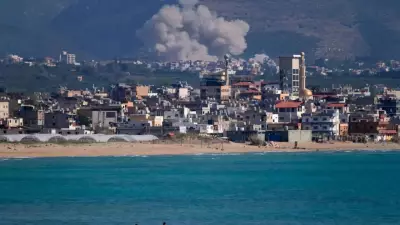
The European Union has issued a directive urging its member states to cut gas storage targets, a move prompted by heightened concerns over potential energy supply disruptions linked to the ongoing conflict between Iran and Israel. This strategic adjustment aims to bolster energy security across the bloc by mitigating risks associated with geopolitical tensions in the Middle East.
Background and Rationale for the Decision
According to recent reports, the EU's call to reduce gas storage levels stems from an assessment of the volatile situation in the Middle East, particularly the Iran-Israel war. The conflict has raised alarms about possible interruptions to gas supplies, which could impact Europe's energy stability. By lowering storage targets, the EU seeks to preemptively address these vulnerabilities and ensure a more resilient energy infrastructure.
Implications for Energy Security and Member States
This directive is part of a broader effort to enhance energy security within the European Union. Member states are now tasked with adjusting their storage strategies to align with the new targets, which may involve reducing current stockpiles or revising future storage plans. The move underscores the EU's proactive approach to managing external threats, such as geopolitical conflicts, that could affect its energy supply chains.

Key aspects of the EU's strategy include:
- Monitoring the Iran-Israel conflict closely for any developments that might impact gas supplies.
- Encouraging member states to diversify energy sources to reduce dependency on potentially unstable regions.
- Implementing contingency plans to handle any sudden disruptions in gas availability.
Global Context and Regional Impact
The Iran-Israel war has significant implications beyond the immediate region, affecting global energy markets and international relations. The EU's decision to cut gas storage targets reflects a cautious stance amid these uncertainties, aiming to safeguard its economies from potential shocks. This action also highlights the interconnected nature of global energy systems, where conflicts in one area can ripple through supply networks worldwide.
Experts suggest that such measures are crucial for maintaining stability in Europe's energy sector, especially as geopolitical tensions persist. The EU's focus on adaptive strategies may serve as a model for other regions facing similar challenges.
Conclusion and Future Outlook
In summary, the European Union's call to reduce gas storage targets is a direct response to the risks posed by the Iran-Israel conflict. By taking this step, the EU aims to enhance its energy security and prepare for potential disruptions. As the situation evolves, member states will need to remain vigilant and adaptable, ensuring that their energy policies align with the bloc's overarching goals of stability and resilience.