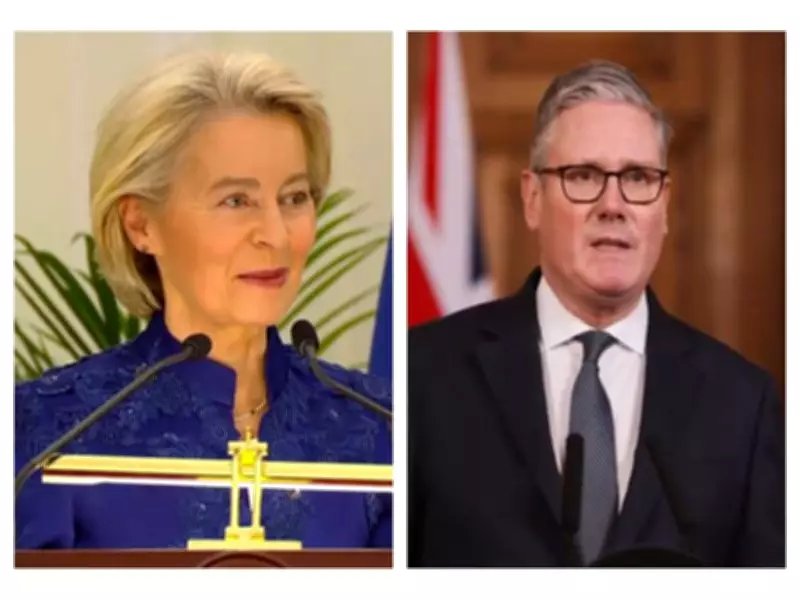
EU President Ursula von der Leyen Raises Alarm Over Iran's Impact on Global Economy
In a significant diplomatic exchange, European Union President Ursula von der Leyen has issued a stark warning about Iran's actions, stating they are putting global economic stability at risk. This caution came during a telephone conversation with newly elected British Prime Minister Keir Starmer, underscoring the heightened international concern over Tehran's regional activities and their far-reaching economic repercussions.
High-Level Discussion Between EU and UK Leaders
The call between President von der Leyen and Prime Minister Starmer focused on pressing global issues, with Iran's behavior emerging as a central topic. Von der Leyen emphasized that Iran's destabilizing actions, which include support for proxy groups and nuclear program advancements, are not just regional security threats but also pose severe risks to the worldwide economic framework. This dialogue marks one of the first major international engagements for Starmer since taking office, highlighting the urgency of the matter.
Iran's Actions and Their Economic Consequences
Iran's activities, such as its involvement in conflicts across the Middle East and defiance of international agreements, have long been a source of tension. However, von der Leyen's remarks bring to light the direct economic implications. These actions can lead to:

- Increased oil price volatility, as the region is a critical hub for energy exports.
- Disruption of trade routes, particularly through strategic waterways like the Strait of Hormuz.
- Heightened investor uncertainty, affecting global markets and economic growth.
The EU President stressed that such instability could trigger broader financial crises, impacting everything from inflation rates to supply chains worldwide.
International Response and Diplomatic Efforts
This warning comes amid ongoing diplomatic efforts to address Iran's nuclear program and regional influence. The EU has been actively involved in negotiations, and von der Leyen's comments signal a reinforced commitment to multilateral action. In her conversation with Starmer, she likely discussed potential coordinated measures, such as sanctions or diplomatic initiatives, to mitigate the risks. The UK, under its new leadership, is expected to align closely with EU positions on this issue, fostering transatlantic cooperation.
Broader Implications for Global Governance
The discussion between von der Leyen and Starmer reflects a growing recognition that geopolitical tensions in regions like the Middle East have profound economic dimensions. As global leaders grapple with challenges like climate change and trade disputes, Iran's actions add another layer of complexity. The EU's stance, as articulated by its President, underscores the need for robust international frameworks to safeguard economic stability against such threats.
In summary, Ursula von der Leyen's warning to Keir Starmer highlights the critical link between Iran's behavior and global economic health. This exchange not only reinforces the EU-UK partnership but also calls for urgent, collective action to prevent further destabilization. As the situation evolves, the international community will be closely monitoring Iran's next moves and their potential ripple effects on the world economy.