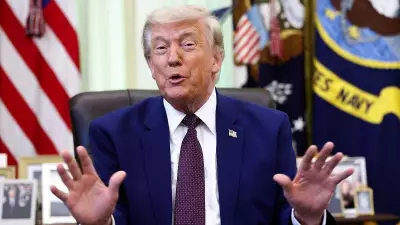
Europe Readies Trade Arsenal as Trump Threatens Tariffs Over Greenland
European leaders are actively preparing a range of countermeasures against potential U.S. tariffs. President Donald Trump recently threatened new levies over European opposition to his plan for Greenland. The situation has pushed Brussels into urgent crisis talks.
The European Union already maintains a substantial list of American goods valued at over $100 billion. These products could face immediate retaliatory tariffs if needed. EU ambassadors discussed multiple response strategies during emergency meetings this past Sunday.
Multiple Response Options Under Consideration
European officials have several distinct approaches available. They can choose from traditional trade measures to more dramatic security responses. Each option carries different risks and potential consequences.

Retaliatory tariffs represent the most straightforward response. The EU previously prepared detailed lists targeting specific American products. These included everyday items like chewing gum, motorcycles, and peanut butter. Though shelved after earlier negotiations, these lists remain ready for activation.
The bloc also possesses a powerful but unused tool often called the 'bazooka'. This anticoercion instrument would allow broad economic countermeasures. It could restrict American companies' access to European markets and public contracts.
Beyond Trade: Security and Defense Considerations
European leaders face complex calculations beyond pure economics. Many EU nations also serve as NATO allies with the United States. This dual relationship complicates response decisions.
Some officials suggest reducing defense cooperation as a potential response. Options include limiting U.S. access to European military bases. The massive Ramstein Air Base in Germany employs thousands of American personnel. Restricting such access would dramatically escalate tensions.
Other possibilities involve accelerating European defense spending. Leaders might redirect military purchases away from American suppliers. However, Europe still relies heavily on U.S.-made weapons systems for critical capabilities.
Timing and Diplomatic Calculations
EU diplomats emphasize they still have time for negotiations. The new U.S. tariffs would not take effect until February 1st according to Trump's announcement. This provides several weeks for diplomatic efforts.
European leaders plan to discuss the matter thoroughly later this week. Meetings will follow the World Economic Forum in Davos. President Trump is expected to attend the same gathering, creating potential for direct discussions.
Analysts note a significant shift in European thinking compared to previous disputes. 'There is a sense this time that the EU has to respond,' observed Mujtaba Rahman of Eurasia Group. 'The price for U.S. support in NATO and Ukraine contexts appears increasingly high.'
Broader Strategic Reconsiderations
The Greenland dispute accelerates existing European trends toward diversification. EU officials have renewed efforts to secure trade agreements with other global partners. Recent progress includes deals with South American nations and potential agreements with India and Australia.
This situation may also influence Europe's approach to China. The bloc might reconsider its derisking strategy amid tensions with Washington. European businesses face challenges from both Chinese restrictions and American tariff threats.
Ultimately, European leaders must balance multiple considerations. They seek to protect economic interests while maintaining essential security relationships. The coming weeks will reveal which combination of responses they ultimately select.