

UK and European Gas Prices Skyrocket Following Attacks on Qatar's Critical Energy Infrastructure
Wholesale gas prices across the United Kingdom and continental Europe experienced a dramatic surge, jumping by around 25 percent during early trading sessions. This sharp increase pushed UK prices to a staggering range of 170 to 175 pence per therm, marking a significant escalation in energy costs. Although prices moderated slightly later in the day, they remain more than double the levels observed before the recent outbreak of conflict in the Middle East.
Missile Strikes Trigger Fresh Global Supply Concerns
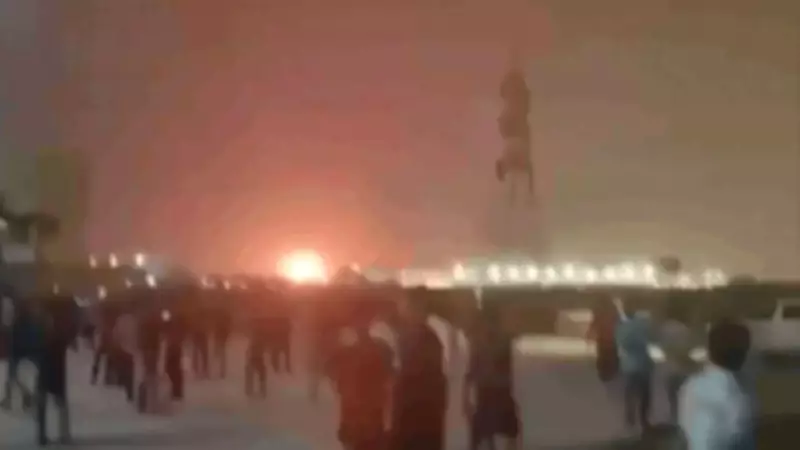
The immediate catalyst for this price spike was a series of retaliatory military strikes targeting key energy assets. Israel launched attacks on Iran's South Pars gas field, which ranks among the world's largest natural gas reserves. In response, Iran retaliated with missile strikes that hit Qatar's crucial liquefied natural gas facilities, specifically the massive Ras Laffan Industrial City complex.
These attacks resulted in what officials described as "extensive damage" to critical infrastructure at Ras Laffan, including the important Pearl gas-to-liquids plant. While fires that broke out were eventually contained, production had already been halted due to earlier attacks, creating immediate supply concerns.

Why Qatar's LNG Disruption Matters Globally
The market reaction was particularly severe because Qatar plays an indispensable role in the global energy landscape. The nation accounts for approximately one-fifth of worldwide LNG exports, making any disruption to its production capacity highly consequential for international energy markets.
This vulnerability is especially acute for European nations, which have significantly increased their reliance on Qatari natural gas following reductions in imports from Russia. Energy analysts warn that even a few months of production disruption could remove a substantial portion of global LNG supply, tightening markets and potentially driving prices even higher in coming weeks.
US Warning and Market Fallout
Amid the escalating crisis, US President Donald Trump issued a stern warning to Iran, threatening severe consequences if Tehran continues targeting regional energy infrastructure. The President reportedly cautioned that further attacks could trigger a massive escalation, including potential strikes on Iran's own key gas assets.
Meanwhile, the United States has taken initial steps to stabilize energy flows by temporarily easing shipping restrictions, allowing more flexible transport of oil and gas through affected regions.
Broader Financial Market Impact
The energy shock has created ripple effects across global financial markets:
- Stock indices in both Asia and Europe fell sharply as investors grew concerned about prolonged conflict and its economic consequences
- Oil prices climbed significantly, with Brent crude rising above USD 110 per barrel at one point
- The situation has been further complicated by disruptions in the Strait of Hormuz, a critical maritime route for approximately one-third of global oil shipments
Market analysts emphasize that the current volatility reflects deep-seated concerns about how sustained conflict could reshape global energy supply chains, particularly as Europe continues to navigate its transition away from Russian energy sources while maintaining adequate supplies for the coming winter months.






