In a stark shift for the world economy, a pervasive sense of doom has eclipsed hard data to become one of the most significant brakes on global growth. This widespread pessimism, now entrenched across major advanced economies, is altering consumer behaviour, warping policy, and creating a dangerous political feedback loop.
The Anatomy of a Gloom: Surveys Paint a Bleak Picture
Recent surveys underscore the depth of this global malaise. A new poll by consultancy FGS Global, covering 20,000 voters and business leaders across 27 countries including the US, UK, Canada, EU, and Japan, found a grim consensus. In every single nation surveyed, majorities believe life will be harder for the next generation and that the system is rigged for the rich. In all but Denmark, people see public institutions as ineffective and wasteful.
Other polls echo this sentiment. A Gallup International survey of nearly 60,000 adults revealed that economic pessimists outnumber optimists by about two to one in Britain and Japan. In Germany, the ratio is a staggering twelve to one. In America, consumer sentiment remains near its lowest recorded levels, while European economic confidence has stayed below its long-term average for over three years, despite easing inflation.

How Pessimism Strangles Economic Vitality
The consequences of this entrenched gloom are threefold and mutually reinforcing, creating a significant drag on prosperity.
First, it acts like a perpetual uncertainty shock. When the future looks bleak, the value of waiting increases. Households and firms postpone big, irreversible decisions. Evidence is already visible: in the US, both hiring and worker resignations are roughly a third below their post-pandemic peaks, signalling a frozen labour market that hurts efficiency. In the euro zone, household saving has crept up, with the savings rate still above 15% in 2025, far exceeding pre-pandemic norms. This low confidence also manifests in societal trends like falling fertility rates and declining college enrolments.
Second, pessimism fuels zero-sum thinking. The widespread belief that the economy is rigged encourages the view that one group's gain is another's loss. This shifts political focus from growing the pie to redistributing or protecting existing slices. Research by Pepper Culpepper of Oxford University shows that those who believe the system favours the wealthy are more likely to support explicitly zero-sum redistribution. This mindset extends to views on migration, trade, and technology. For instance, in Harvard's latest youth poll, young Americans were over three times more likely to say AI would destroy opportunities than create them. The FGS Global survey found over 70% of respondents favoured strict regulation and heavy taxation of AI firms. The result is a turn towards a defensive, low-growth "fortress economy."
The Political Trap: Gloom Undermines Fiscal Restraint
The third and perhaps most dangerous consequence is the erosion of fiscal discipline. When voters see a dark future, their tolerance for short-term pain vanishes. Politicians are rewarded for offering cushions, not restraint. This bias keeps deficits wide and makes inflation harder to control.
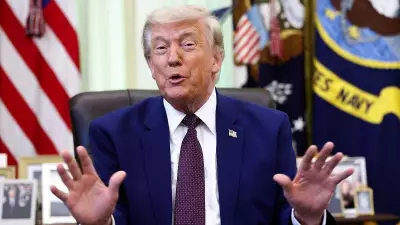
This dynamic is already playing out. Last year, the average budget deficit in advanced countries exceeded 4% of GDP; in America, it was closer to 6%. Yet, fiscal consolidation remains politically toxic. Former President Donald Trump pushed through fresh tax cuts and floated ideas like stimulus cheques. France's attempts to trim spending trigger political crises. Japan, despite having one of the world's highest public debt burdens, unveiled its largest post-pandemic stimulus late last year. Canada resorted to temporary tax holidays to boost sentiment, adding complexity for businesses.
This creates a fertile ground for populists who promise protection and spending over reform, establishing a self-reinforcing loop. Gloom fuels support for populist leaders, whose policies often weaken institutions and further undermine growth, deepening the pessimism. Research confirms that countries governed by populists suffer lasting economic damage, including lower incomes and greater instability long after they take power.

The insight that confidence shapes economies is not new. John Maynard Keynes spoke of "animal spirits," and Nobel laureate Robert Shiller has described how pessimistic narratives spread. Today, that theory is a pressing reality. The greatest threat to the global economy is no longer a single policy or shock, but a politics and public mindset fundamentally shaped by pervasive pessimism itself.