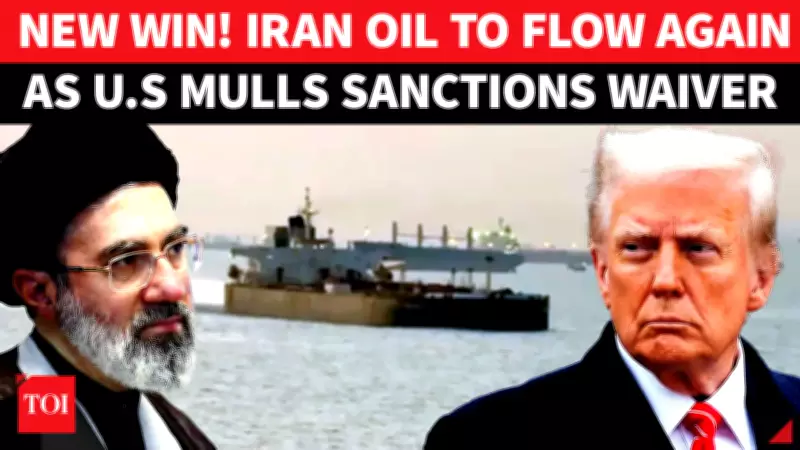
Iran could be set for a dramatic return to global oil markets after reports indicated that a new agreement with the United States would immediately lift key sanctions on its energy sector. The proposed memorandum of understanding would reportedly allow Iranian oil exports, banking transactions, shipping operations and insurance services to resume. The agreement could also lead to the gradual reopening of the Strait of Hormuz, a vital artery for global energy supplies. If signed as expected, the deal would mark a major shift in U.S.-Iran relations and could have far-reaching consequences for oil prices, trade routes and regional stability.
Key Details of the Proposed Agreement
According to sources familiar with the negotiations, the memorandum of understanding outlines a phased approach to sanctions relief. In the first phase, the United States would grant waivers for countries importing Iranian crude, allowing them to resume purchases without facing penalties. This would effectively restore Iran's access to key markets in Asia and Europe.
Impact on Global Oil Markets
The return of Iranian oil exports, which have been largely cut off since 2018, could add up to 1.5 million barrels per day to global supply. Analysts predict this could lower oil prices by $5 to $10 per barrel, providing relief to consumers worldwide. However, the timing of the agreement remains uncertain, with both sides reportedly finalizing technical details.

Strategic Implications for the Strait of Hormuz
The reopening of the Strait of Hormuz, through which about 20% of the world's oil passes, would reduce geopolitical risks and shipping insurance costs. Iran has previously threatened to block the strait in response to sanctions, but the new deal would likely include security guarantees for maritime traffic.
Reactions and Next Steps
While the White House has not officially commented, senior administration officials have hinted at a shift in policy. Critics argue that the concessions could embolden Iran's regional ambitions, while supporters emphasize the benefits of lower energy prices and reduced tensions. The agreement is expected to be signed within weeks, pending final approvals from both governments.
If implemented, this deal would represent the most significant thaw in U.S.-Iran relations since the 2015 nuclear accord, which was abandoned by the Trump administration in 2018. The current administration appears to be pursuing a different approach, prioritizing economic stability and energy security over maximum pressure.