UN Report Sounds Alarm: Iran-US Tensions Could Devastate Indian Livelihoods
A stark warning from the United Nations has highlighted the severe economic repercussions that a potential war between Iran and the United States could have on India. According to the report, such a conflict threatens to push approximately 2.5 million people in India into poverty, underscoring the far-reaching consequences of global geopolitical instability on vulnerable populations.
Economic Shockwaves from Escalating Tensions
The UN analysis points to multiple channels through which an Iran-US war could impact India's economy. Rising oil prices are a primary concern, as any disruption in the Middle East—a key oil-producing region—would likely lead to a sharp increase in global crude prices. India, being a major oil importer, would face higher fuel costs, which could trickle down to essential goods and services, straining household budgets across the nation.
Additionally, the report emphasizes that global trade disruptions could severely affect India's export-oriented sectors. With supply chains potentially disrupted and international markets becoming volatile, industries such as textiles, pharmaceuticals, and information technology might experience reduced demand and operational challenges. This could lead to job losses and decreased incomes for millions of workers, exacerbating poverty levels.

Vulnerable Populations at Greatest Risk
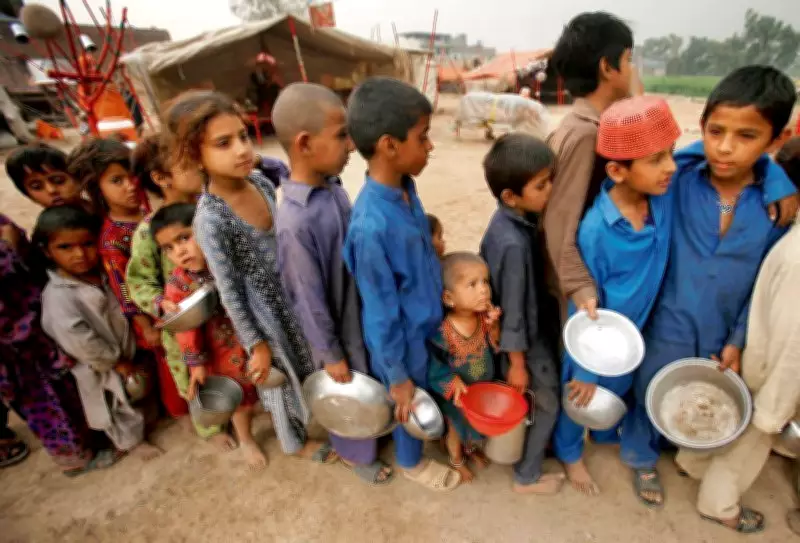
The UN report identifies that the most vulnerable segments of Indian society would bear the brunt of this economic turmoil. Low-income families, daily wage laborers, and small-scale farmers are particularly at risk, as they have limited financial buffers to cope with rising prices and economic shocks. The potential poverty increase could reverse recent gains in poverty reduction efforts, setting back developmental progress in the country.
Furthermore, the analysis suggests that regional instability could compound these effects. If the conflict spreads or intensifies, it might lead to broader economic sanctions, reduced foreign investment, and heightened uncertainty in financial markets, all of which could further dampen India's economic growth and stability.
Call for Diplomatic Solutions and Preparedness
In light of these findings, the UN urges international stakeholders to prioritize diplomatic resolutions to de-escalate tensions between Iran and the US. The report also calls for proactive measures by governments, including India, to strengthen social safety nets and economic resilience. Recommendations include:
- Enhancing social welfare programs to protect the most vulnerable from economic shocks.
- Diversifying energy sources to reduce dependency on oil imports from volatile regions.
- Investing in domestic industries to bolster economic self-sufficiency and job creation.
By addressing these challenges head-on, India and the global community can mitigate the potential human cost of geopolitical conflicts and work towards sustainable development goals.