Market Volatility to Continue Amid Mixed Signals from West Asia Conflict
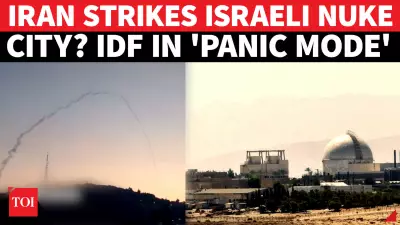
Global financial markets are experiencing sustained volatility as mixed signals from the ongoing conflict in West Asia create a climate of uncertainty. This instability is affecting investor sentiment and economic stability across various regions, with analysts predicting continued fluctuations in the near term.
Impact on Global Financial Markets
The conflict in West Asia has led to divergent signals that are contributing to market turbulence. On one hand, geopolitical tensions have escalated, prompting concerns about supply chain disruptions and energy price spikes. On the other hand, intermittent diplomatic efforts and ceasefire talks have provided temporary relief, leading to unpredictable market reactions.
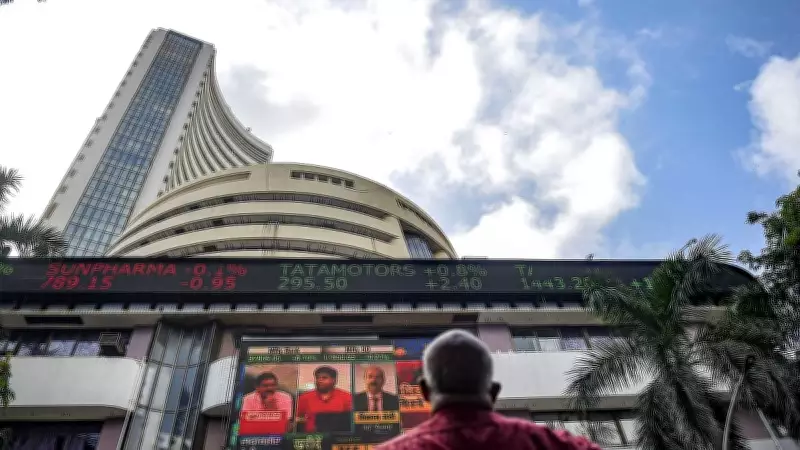
Investor sentiment has become increasingly cautious, with many adopting a wait-and-see approach. This hesitancy is reflected in heightened trading volumes and sharp price swings across stock indices, commodities, and currencies. The volatility is particularly pronounced in sectors sensitive to geopolitical risks, such as energy, defense, and international trade.

Economic Implications and Regional Effects
The mixed signals from the West Asia conflict are not only impacting financial markets but also broader economic indicators. Uncertainty has led to reduced business investments and delayed corporate decisions, potentially slowing economic growth in affected areas. Additionally, currency fluctuations have made international transactions more complex and costly.
Regional economies in and around West Asia are facing direct consequences, including disrupted trade routes and increased security costs. However, the ripple effects are felt globally, as interconnected markets transmit volatility from one region to another. This underscores the importance of monitoring the situation closely for investors and policymakers alike.
Future Outlook and Analyst Predictions
Analysts suggest that volatility is likely to persist until clearer resolutions emerge from the West Asia conflict. Key factors to watch include:
- Diplomatic developments and peace negotiations
- Changes in military strategies and conflict intensity
- Impact on global oil prices and energy markets
- Responses from major economic powers and international organizations
While some experts anticipate gradual stabilization if diplomatic efforts succeed, others warn of prolonged instability if tensions escalate further. Investors are advised to diversify portfolios and stay informed about geopolitical updates to navigate the uncertain landscape effectively.
In conclusion, the mixed signals from the West Asia conflict continue to drive market volatility, presenting challenges and opportunities for global financial participants. As the situation evolves, adaptive strategies and vigilant monitoring will be crucial for mitigating risks and capitalizing on potential market movements.