

Global Economies Feel Strain as Middle East Conflict Enters Fourth Week
The Middle East conflict has now entered its fourth week, and the ripple effects are becoming increasingly visible across major global economies. Growing concerns suggest that any further escalation could severely disrupt energy flows, adding significant pressure to an already fragile global economic outlook. The strain is not distributed evenly, with some nations far more exposed and having limited capacity to absorb the shock.
Critical Focus on the Strait of Hormuz
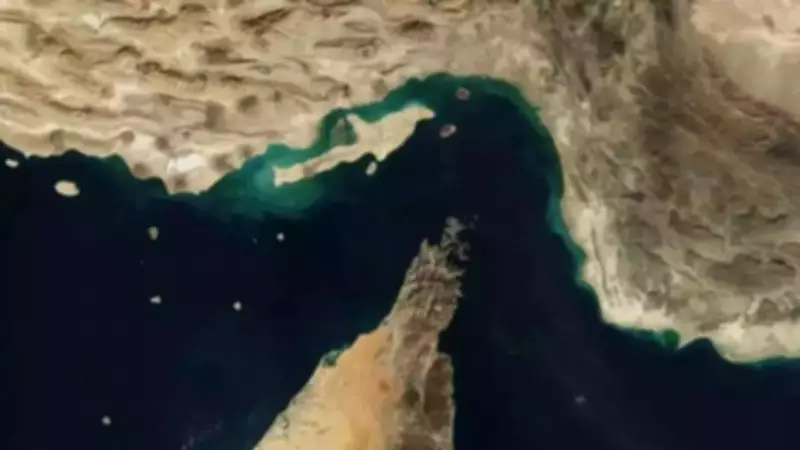
Much of the international attention is currently centered on Iran's strategic role in the Strait of Hormuz, a critical maritime route for global energy shipments. Any disruption here could have cascading effects on oil and gas supplies worldwide, exacerbating existing economic challenges.
European Economies Under Pressure
Germany, with its manufacturing-heavy economy, is particularly sensitive to rising energy costs. Industrial activity has only recently stabilized after a prolonged contraction since 2022. As a major exporter, Germany remains vulnerable to any slowdown in global demand. While a substantial stimulus package announced last year offers some support, budget shortfalls in the coming years limit the scope for additional assistance, as reported by Reuters.

Italy's exposure stems from both its robust manufacturing base and its energy mix, where oil and gas constitute a relatively large share of primary consumption in Europe. This leaves the economy highly exposed to swings in global energy prices, especially during periods of supply uncertainty.
Britain depends more heavily on gas-fired power for electricity generation than many of its European peers, meaning gas prices have a strong influence on overall electricity costs. With gas prices soaring more than oil, inflationary pressures remain elevated. While an energy price cap may ease the immediate impact, it could also contribute to higher interest rates, keeping borrowing costs among the highest in the G7 for longer, alongside rising unemployment.
Asian Economies Grappling with Dependence
Japan relies heavily on Middle Eastern oil, importing around 95% of its supply, with nearly 90% transported through the Strait of Hormuz. This dependence adds to inflationary pressures already stemming from a weak yen, which raises the cost of imported essentials such as food and raw materials across the economy.
India is also facing significant threats, importing about 90% of its crude oil and nearly half of its liquefied petroleum gas, with a large portion passing through the Strait of Hormuz. Growth forecasts have already been revised downward, while the rupee has slipped to record lows. The impact is visible in daily life, with rising gas prices leading to informal rationing and the disappearance of items such as samosas, dosa, and chai from menus in eateries.
Regional and Neighboring Challenges
Turkey, which shares a border with Iran, is dealing with both geopolitical uncertainty and the possibility of refugee inflows. Economically, pressure is mounting on the central bank, which has paused its interest rate-cutting cycle for the second time in a year and sold up to $23 billion in reserves to support the currency, signaling renewed strain on monetary stability.
Sri Lanka has implemented strict cost-control measures to manage energy pressures, including declaring Wednesdays a public holiday for state-sector workers. Schools, universities, and public institutions have been shut, non-essential transport suspended, and a National Fuel Pass system introduced to regulate fuel access and limit consumption.
Pakistan, which narrowly avoided a crisis two years ago, has responded with higher petrol prices and temporary school closures. Government departments have seen fuel allowances reduced, restrictions placed on purchasing appliances and furniture, and instructions issued to reduce the use of official vehicles as part of broader austerity steps, according to Reuters.

North African Economic Strains
Egypt is under pressure from rising fuel and food costs, along with potential declines in Suez Canal and tourism revenues, the latter contributing nearly $20 billion last year. Servicing its debt, much of which is denominated in US dollars, has become more difficult, further compounded by a near 9% depreciation of its currency since the conflict began.
The global economic landscape is increasingly interconnected, and the prolonged Middle East conflict highlights how regional instability can trigger widespread financial vulnerabilities. As nations grapple with these challenges, the need for coordinated international responses becomes ever more critical to mitigate the broader impacts on growth and stability.





