

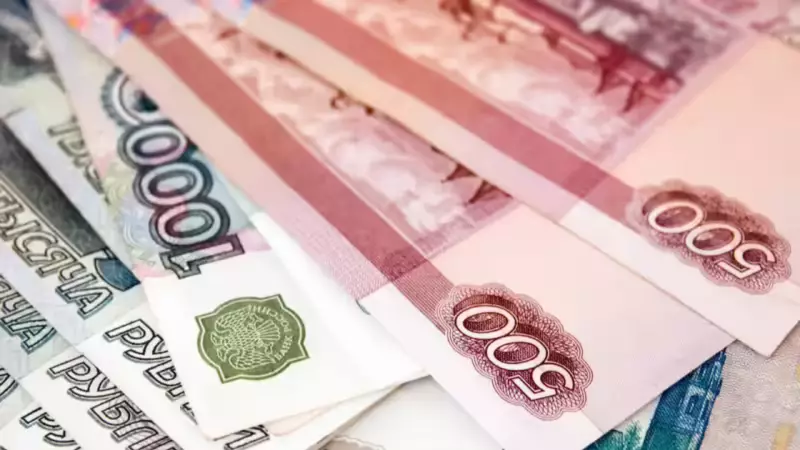
In a surprising turn of events, the Russian Ruble has clinched the title of the world's best-performing major currency against the US Dollar in 2023. The currency has witnessed a staggering 45% surge in value since January, a development that has caught even Russian officials by surprise and presents a complex set of challenges for the nation's economy, which is still grappling with the effects of the ongoing war.
From Invasion Levels to Unprecedented Strength
The Ruble's remarkable recovery has brought it back to levels not seen since before Russia's military intervention in Ukraine. It is currently trading at approximately 78 Rubles per US Dollar, a figure reported by the Economic Times. This performance has dramatically outpaced the Russian government's own forecasts, which had projected an average exchange rate of 91.2 Rubles per Dollar for the year.
This currency rally has persisted despite significant headwinds, including declining global oil prices and a steady stream of new economic sanctions from the United States and European nations. The strength, while a sign of resilience, is creating economic complications by reducing the value of Russia's crucial export earnings when they are converted back into the local currency.

Key Drivers Behind the Ruble's Rally
Several interconnected factors have fueled the Ruble's unexpected ascent. A primary driver is the shift in domestic behavior due to international sanctions. Russians are purchasing far less foreign currency, increasing demand for the Ruble. Furthermore, the Central Bank of Russia's aggressive monetary policy has played a critical role.
To combat inflation and stabilize the financial system, the bank maintained exceptionally high interest rates from October 2022 through June 2023. This move made Ruble-denominated investments highly attractive to local savers and investors, drawing capital into the currency. Although the central bank has since cut rates by 5 percentage points, bringing the key rate to 16%, the earlier high-rate environment laid a strong foundation for the currency's strength.
Central Bank Strategy and Global Standing
The Bank of Russia has actively supported the Ruble through strategic market interventions. It has been selling foreign currency reserves, specifically Chinese Yuan and gold from the National Wellbeing Fund. This action helps counterbalance the significant drop in energy revenues, with income from oil and gas exports falling by 22% in the first eleven months of 2023.
The Ruble's impressive performance places it among the world's elite financial assets for the year. It ranks within the top five best-performing global assets, sharing the spotlight with precious metals like platinum, silver, palladium, and gold. Central Bank Governor Elvira Nabiullina views the currency's firmness as a vital tool in the ongoing battle against inflation. She has indicated that the positive disinflationary effects of a strong Ruble on consumer prices have not yet reached their peak.
In summary, the Russian Ruble's 45% surge against the Dollar is a multifaceted economic phenomenon. Driven by sanctions-induced capital controls, high-interest rates, and active central bank management, its strength presents a double-edged sword—boosting monetary stability while simultaneously squeezing vital export income.






