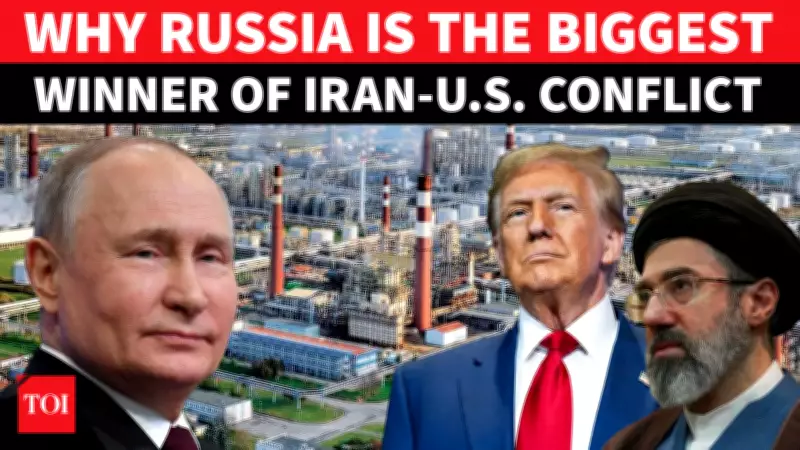
Russia's Oil Fortunes Soar Amid Middle East Conflict
The intensifying military confrontation between Iran, the United States, and Israel is triggering a dramatic realignment in global energy markets, with Russia positioned to capitalize significantly. As geopolitical tensions escalate, oil prices have surged past the $100 per barrel threshold, creating a lucrative opportunity for Moscow to expand its export revenues.
Surge in Demand for Russian Crude
With the strategic Strait of Hormuz facing potential disruptions due to the conflict, international buyers are increasingly seeking alternative sources of crude oil. This shift has directed substantial attention toward Russian energy supplies, which are now in higher demand across global markets.
According to detailed estimates from Reuters, Russia's oil revenues are projected to experience a remarkable doubling during the month of April, potentially reaching an astonishing $9 billion. This translates to a daily income exceeding $760 million for the Kremlin, highlighting the immediate financial impact of the ongoing Middle East crisis.

Underlying Economic Vulnerabilities
However, this substantial revenue influx does not come without significant challenges. Russia continues to grapple with a growing budget deficit, which could undermine the long-term sustainability of these gains. Additionally, Ukraine's persistent military strikes on Russian energy infrastructure present a direct threat to production and export capabilities.
The critical question emerging from this situation is whether Russia's current oil windfall represents a temporary economic advantage or a fragile benefit within an increasingly volatile, war-driven global economy. The interplay between heightened demand and these domestic vulnerabilities will likely determine the durability of Moscow's financial upswing.
Broader Market Implications
The redirection of global oil trade flows underscores how regional conflicts can reshape international economic dynamics. As buyers diversify their sources away from traditional Middle Eastern suppliers, Russia's role in the energy sector is being reinforced, albeit amid considerable uncertainty.
Analysts are closely monitoring whether this revenue surge will enable Russia to bolster its economic resilience or if structural weaknesses will ultimately limit the benefits. The outcome will have implications not only for Moscow's fiscal health but also for global energy stability during this period of heightened geopolitical friction.