

Sri Lanka Implements Four-Day Work Week Amid Severe Fuel Shortages
In a significant move to address its ongoing economic and energy crisis, the Sri Lankan government has officially introduced a four-day work week. This policy change, announced recently, declares every Wednesday as a public holiday across the nation. The decision comes as the country grapples with acute fuel shortages that have disrupted daily life and economic activities.
Background of the Fuel Crisis
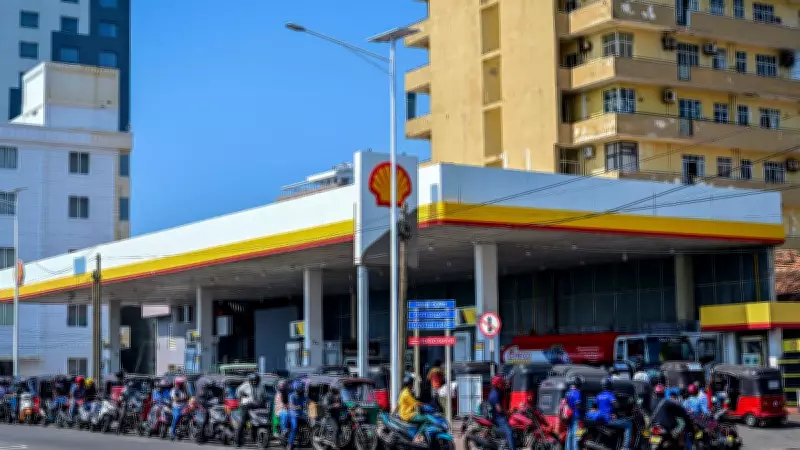
Sri Lanka has been facing a severe fuel crisis, driven by a combination of factors including foreign exchange shortages, global price hikes, and internal economic mismanagement. The scarcity of petrol, diesel, and other fuels has led to long queues at gas stations, increased transportation costs, and hampered industrial operations. In response, the government has sought innovative solutions to mitigate the impact on both the economy and citizens' livelihoods.
Details of the New Work Week Policy
The new policy mandates that all government offices and many private sector organizations will operate on a four-day schedule, from Monday to Friday, with Wednesdays designated as a public holiday. This adjustment is expected to reduce fuel consumption by limiting the number of commuting days for employees. Key aspects of the policy include:

- Public Holiday on Wednesdays: Every Wednesday is now a non-working day, providing a mid-week break for workers.
- Extended Work Hours: To compensate for the reduced days, working hours on the remaining four days may be extended, ensuring productivity levels are maintained.
- Focus on Energy Conservation: The primary goal is to cut down on fuel usage for transportation and office operations, easing pressure on the national fuel supply.
Expected Benefits and Challenges
This measure is anticipated to bring several benefits, such as lowering fuel demand, reducing traffic congestion, and potentially improving work-life balance for employees. However, it also poses challenges, including adjustments in business operations, potential impacts on service delivery, and the need for careful implementation to avoid economic disruptions. The government has emphasized that this is a temporary solution while longer-term strategies are developed to address the root causes of the fuel crisis.
Global Context and Comparisons
Sri Lanka's move to a four-day work week is notable in the global context, where similar initiatives have been tested in countries like Iceland and New Zealand to boost productivity and well-being. However, in Sri Lanka's case, the driver is primarily crisis management rather than progressive labor reforms. This highlights the unique pressures faced by nations dealing with acute resource shortages and economic instability.
As Sri Lanka navigates this challenging period, the success of the four-day work week will depend on effective execution and public cooperation. The government continues to explore additional measures to stabilize the economy and ensure essential services remain accessible to all citizens.






