US Supreme Court Strikes Down Trump's Tariff Orders: A Major Trade Ruling
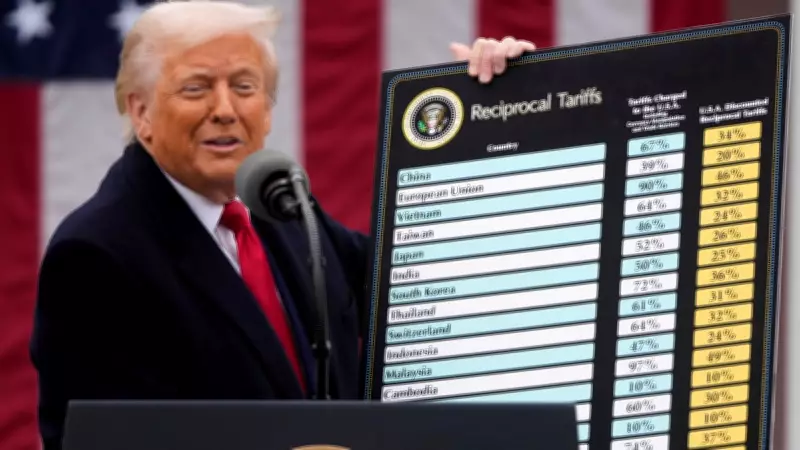
In a landmark decision with far-reaching implications for international commerce, the United States Supreme Court has officially quashed the tariff orders issued during the administration of former President Donald Trump. This pivotal ruling, delivered on February 20, 2026, directly challenges the legal foundation of the aggressive trade policies that characterized Trump's presidency, particularly those targeting nations like China and, by extension, affecting global partners including India.
Understanding the Court's Decision and Its Legal Basis
The Supreme Court's judgment centered on constitutional and statutory grounds, determining that the executive authority exercised by Trump in imposing these tariffs exceeded the powers granted by Congress. The court emphasized that such significant trade measures, which can profoundly impact the national economy and international relations, require explicit legislative approval rather than unilateral presidential action. This decision effectively nullifies a series of tariff orders that had been a cornerstone of Trump's "America First" trade agenda, leading to widespread trade disputes and retaliatory measures from affected countries.
Immediate Implications for India and Global Trade Dynamics
For India, this ruling sparks immediate questions about the future of trade relations with the United States. Under Trump's orders, India faced increased tariffs on various exports, such as steel, aluminum, and certain agricultural products, as part of broader efforts to address trade imbalances. With these orders now invalidated, there is potential for a significant reduction or even elimination of these tariffs, which could boost Indian exports to the US market. However, it is crucial to note that this does not automatically mean zero tariffs on all Indian goods. The ruling removes the specific Trump-era impositions, but existing baseline tariffs under US trade law may still apply, and future administrations or congressional actions could introduce new measures.

Broader Economic and Diplomatic Ramifications
The Supreme Court's decision is expected to reshape global trade dynamics by:
- Reducing trade tensions: By overturning tariffs that often led to retaliatory actions, this ruling could ease diplomatic strains and foster more cooperative international trade negotiations.
- Stimulating economic growth: Lower tariffs may decrease costs for consumers and businesses in the US, potentially increasing demand for imported goods from India and other countries.
- Setting a legal precedent: This case establishes stricter limits on presidential power in trade policy, influencing how future administrations can implement similar measures without congressional oversight.
What This Means for Indian Exporters and the Economy
Indian exporters, particularly in sectors like manufacturing and agriculture, stand to benefit from improved access to the US market if tariffs are reduced. This could lead to:
- Increased export revenues and job creation in India.
- Enhanced competitiveness for Indian products in the global marketplace.
- Potential shifts in trade strategies as businesses adapt to the new regulatory environment.
However, experts caution that the full impact will depend on subsequent policy decisions by the US government and ongoing trade negotiations between the two nations.
Looking Ahead: The Future of US-India Trade Relations
While the Supreme Court's ruling marks a significant turning point, it is not the final word on US-India trade. Both countries are likely to engage in renewed discussions to address underlying trade issues, such as market access and intellectual property rights. This development underscores the importance of stable and predictable trade policies in fostering long-term economic partnerships. As the global economy continues to evolve, this decision may encourage a more rules-based approach to international trade, benefiting nations like India that rely on fair and open markets.

In summary, the US Supreme Court's invalidation of Trump's tariff orders represents a major victory for proponents of free trade and could lead to tangible benefits for India. However, stakeholders must remain vigilant as the practical outcomes unfold in the coming months, shaping the future of cross-border commerce.